
Pinned-value goods
6 min read Sep 20, 2026
The puzzle
Several years ago, my children reached the age where they became interested in riding bicycles, so I started getting acquainted with the children’s bicycle market. In our time at neighborhood parks, I’d noticed other kids riding beautiful-looking bikes with elegantly shaped frames, simple but eye-catching color schemes, and the letters W-O-O-M running down the down tube. After some research, I realized these Woom bikes had everything I’d want: durable components, real brakes tires even on the pedal-less versions, and lightweight aluminum construction. That last part matters a lot, since until a child can ride on their own, parents spend a lot of time lugging these bikes around.

When I started looking at the used market — which is where I’d usually buy something like this — I noticed something interesting: every bike within a given model would sell for almost the same used price, regardless of whether it was newer or older (Woom even has a guide for telling model years apart). The prices appeared to be pinned.
This reminded me of something I’d heard more than ten years earlier in the car world: there was an open secret that a Lotus Elise cost around $30,000 regardless of year or mileage, as long as the aluminum tub wasn’t damaged. People joked that it was a free car — you could buy it for $30,000, drive it for as long as you wanted, and, assuming you didn’t crash it, recoup that initial cost when you sold it again for $30k.
Of course, it’s not exactly free — both a Woom and a Lotus Elise require maintenance, and there’s a real risk of damage beyond repair, though that risk can be mitigated by being careful.
Still, it got me thinking: why doesn’t ordinary depreciation touch these? Why can Woom bikes seem to sell endlessly on the used market at a stable price?
The frozen reference
So it appears that what makes the secondhand value of something hold is that there’s no external reference the object is judged against — or at least that the reference is frozen. Value starts to erode once a reference begins to move. Call these pinned-value goods.
This isn’t quite the cost-per-use idea behind BIFL (Buy It For Life). Plenty of durable goods keep depreciating even as they keep working. What’s different about a pinned-value good like Woom is that the reference itself doesn’t move.
A lot of things don’t really have a reference at all. An example in my life is the Eames shell chairs and the Artemide Tolomeo lamps we have at home. Though they were designed in 1948 and 1986 respectively, chair and lamp design hasn’t progressed much since then.
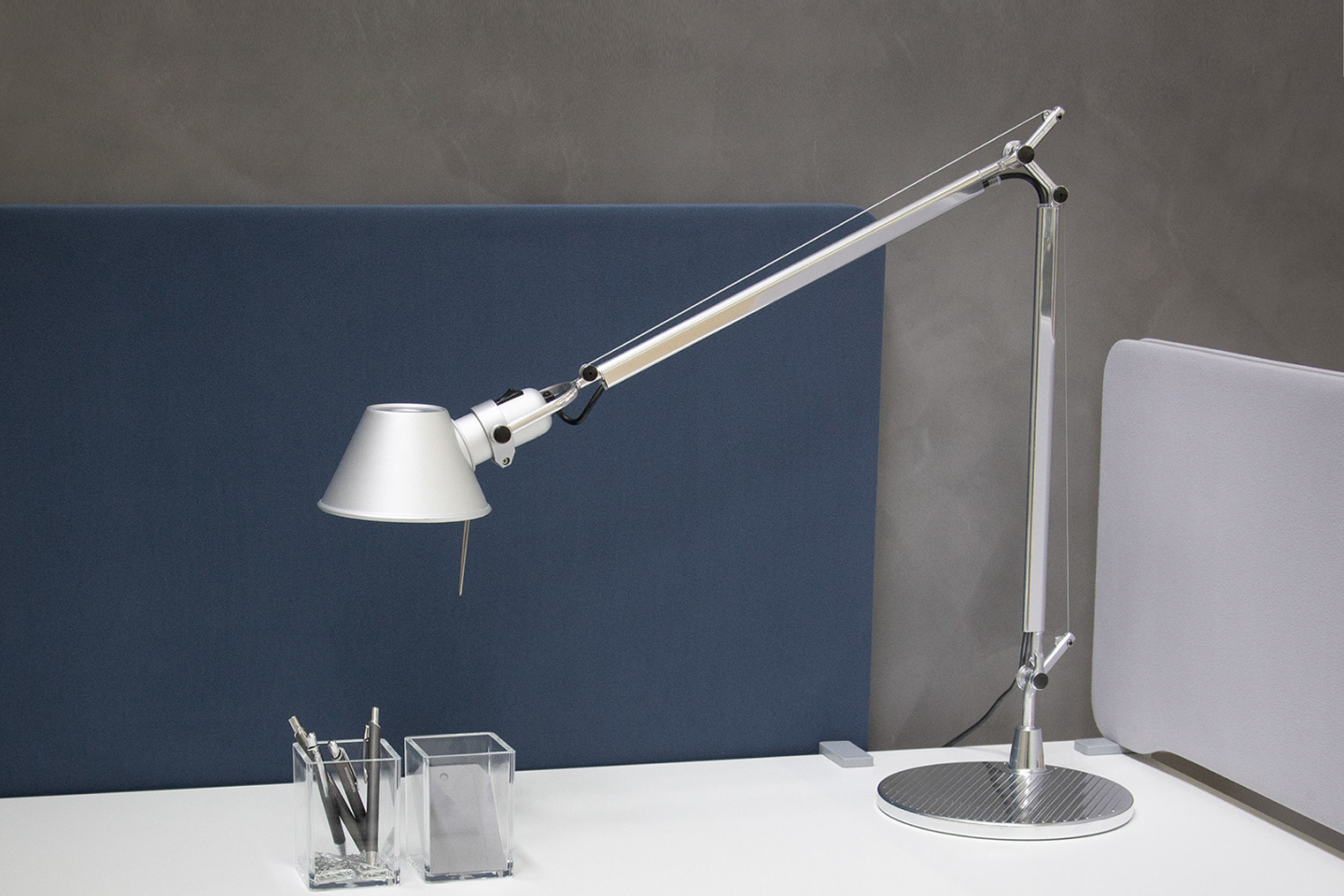
Supply discipline (they are never discounted or overproduced) is part of why the price floor holds, even as they continue to increase in popularity and the market continues to bring in new models. And with the Eames chairs, even though the patents have expired, crafting them to the quality that Herman Miller and Vitra do isn’t profitable for replica makers, so the replicas don’t last long and are difficult to resell.

Another example is Leica lenses. M lenses don’t have electronics and aren’t dependent on an ephemeral camera system. The Leica M came out in the ’50s, and new M bodies continue to be developed and released all the time. The lenses are purely mechanical, and they can be adapted not just to any Leica, but to any number of brand-new mirrorless cameras from other manufacturers.
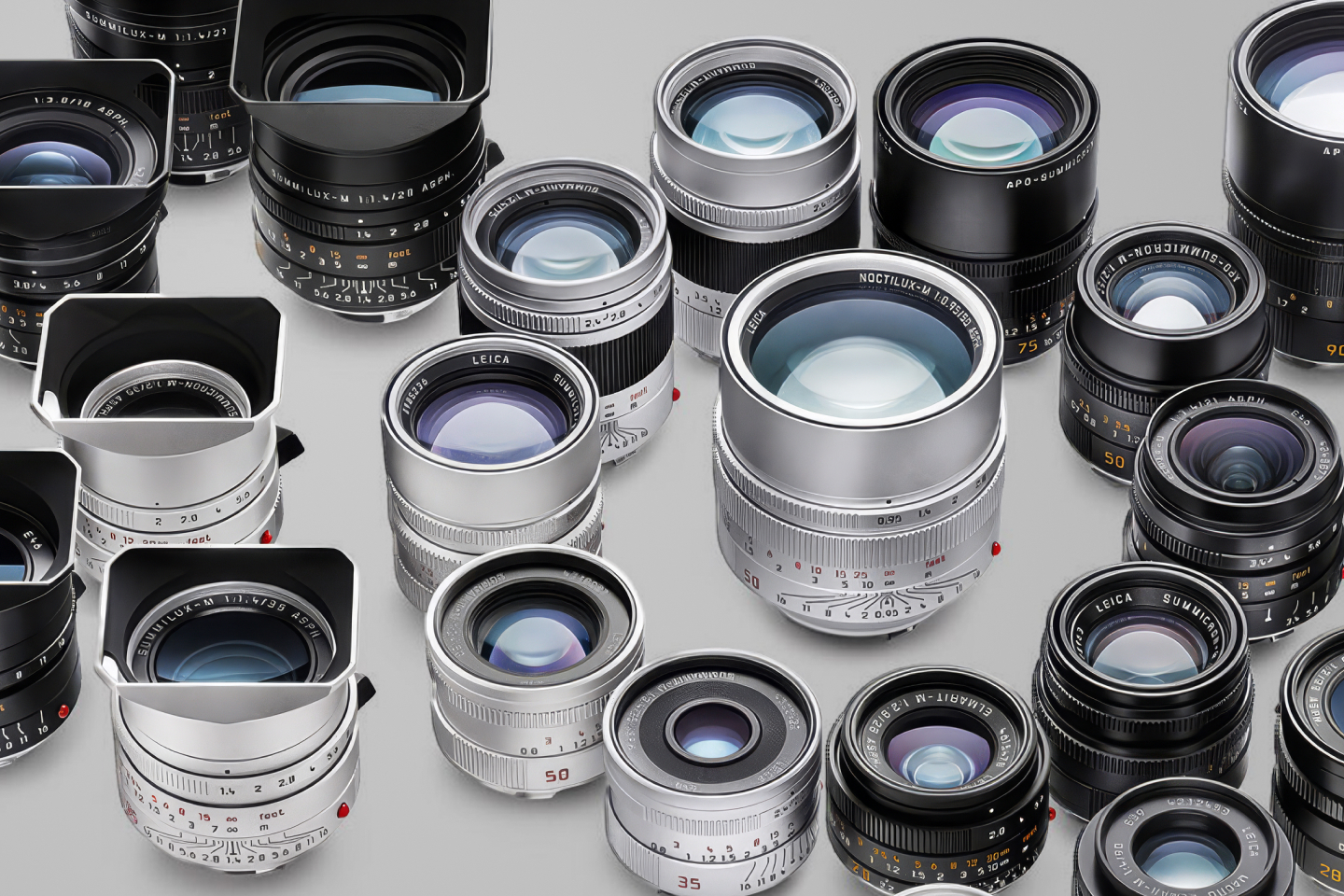
With the chairs, the lamps, the Leica lenses, and even the Woom bikes — they’re all refined objects that are unlikely to have much room left to improve.
The moving target
Some objects in our lives don’t fit that paradigm. These are phones, laptops, and anything riding a continuously rising performance bar like every increasing processing power, battery technology, displays. Older objects from these categories fail not because they’re unreliable, but because they’re judged against an ever-increasing reference that keeps moving out from under them.
Some objects need something else to keep working. It’s not just that the design is dated — there’s a dependency on a system outside the object itself. The classic example is the world of Internet of Things, or IoT, devices — which some call “Internet of Shit” devices. These often stop working once a cloud service ceases, leaving the physical devices useless.
In the case of all the objects I talked about before, there’s no external system. A Leica lens works no matter where you go, as long as you keep it maintained, and the same is true of an Eames chair.
The classic
That takes me back to the Elise. While I was writing this, I went back and looked up whether they still cost $30,000. It turns out good examples are more expensive these days. So the Elise hasn’t just escaped the usual depreciation down to zero that most cars, TVs, and other technology experience — it’s become a classic. It flatlined for a while, when it was a little too old compared to the other cars being manufactured at the time, but nowadays it’s within reach of the kids who lusted after it when they couldn’t afford it. Prices are on their way back up.
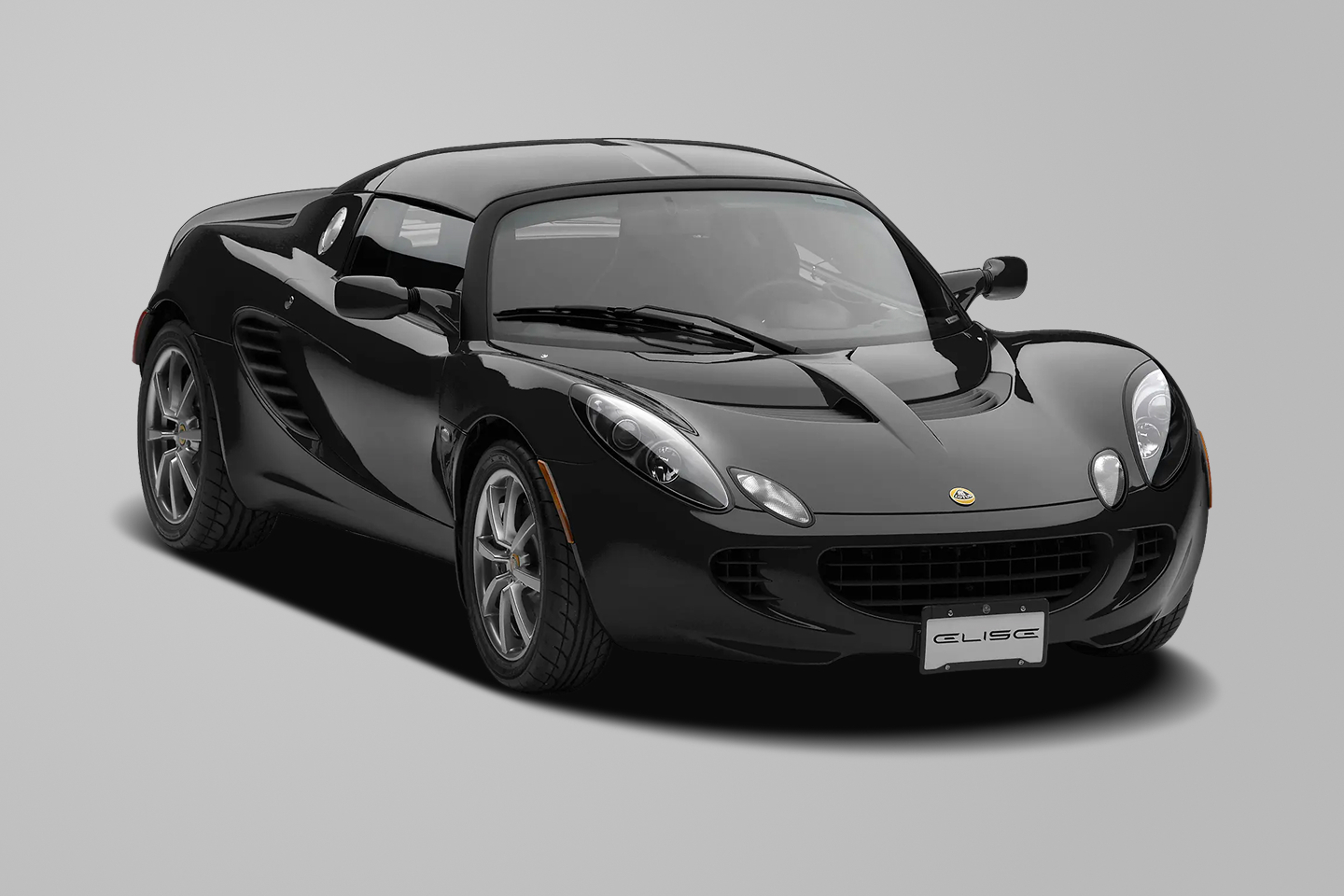
This phenomenon isn’t unique to the Elise — you might spot a car, a camera, or another object that has bucked the trend of depreciation and is on its way up. But it’s worth noting these are scarce, discontinued objects; this rarely happens with objects still in series production. So if you’re trying to catch one of these, there’s going to be some speculation involved in buying and selling it.
The appreciation also has a hidden cost inside it. With the Elise, as it gets older, some of its replacement parts start to get scarcer. The drivetrain is Toyota-sourced, and that supply chain is still healthy, but the Lotus-specific body panels, chassis parts, windshield, and other glass have all increased significantly in price and continue to go up. Even though the price has gone up, the cost per use seems to be going up too.
What used to be affordable routine maintenance for an Elise is starting to look closer to what someone would pay to fix a luxury vehicle.
This is in contrast with the Woom, which is ageless by design — it’s still in production, and the consumable parts, like brakes, tires, and inner tubes, are standard. Even if Woom goes out of business, parts will still be available from plenty of manufacturers in the future.
The question
This matters for something like a Woom — my kids are eventually going to grow out of them, and I’ll be able to resell them for what I originally paid. So when I’m confronted with something I’m probably going to buy for a while and then resell, I now know to ask one question: what does this thing’s value depend on? That’s how I find the pinned-value goods.
Thanks to Q for reading drafts of this.