

Marathoning on a Budget
10 min read Oct 25, 2026
I’ve been running for more than a decade at this point, and when I first got into running, I thought it would be an inexpensive sport. At first glance, it is. Other sports require memberships to places where you can actually play them and expensive equipment. Running mostly doesn’t. You need some running shoes and open space. In most cities and well-populated areas, you’ll find both.
But over the years, as I have more seriously trained for marathons, I’ve had a realization — running can get expensive if I’m not careful. Whole industries exist to take the basics needed for running and package them in ways to extract far more money. Some offer brand and desirability, while others chase diminishing returns via yearly model refreshes.
 Me at 2026 Chicago Marathon
The expenses have the habit of creeping up on runners, making this sport appear out of reach for more and more people. Running is also a very time-consuming sport, of course, so I’m only talking about monetary costs here.
There are a few major categories I have spent money on in my running journey. First are consumables. The second are the non-consumables, things you might not be replacing all that often. Last are the race entries.
Consumables
Fuel
Longer runs require replenishing carbohydrates. In fact, underfueling is one of the most common reasons runners “hit the wall” during marathons.
When I got more serious about running in the last five years, I jumped on all the bandwagons, trying out many popular fueling options. Slowly, without realizing it, the expenses started to add up.
Over time, I’ve realized that most of these products are wrapping sugar in some fancy branding and lifestyle imagery.
I always consume fuel before a run. These days, that pre-run fuel is the classic Rice Krispie Treat (many pro bikers eat them during races). They are an inexpensive American staple. I buy them in large boxes in bulk. They’re ubiquitous, easily found at any convenience store, pharmacy or supermarket. For most runs, the pre-race fuel and sports drink are enough.
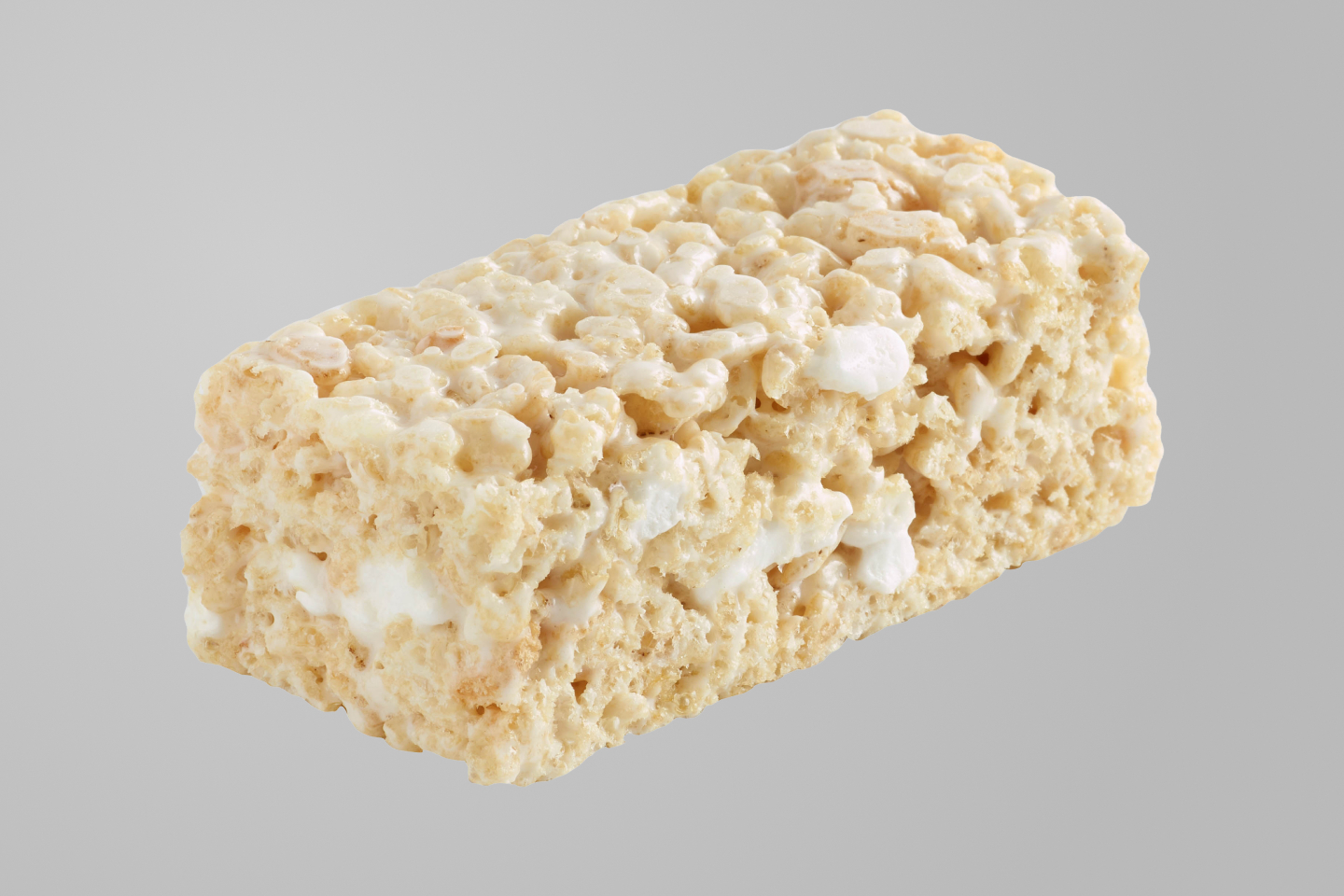
A Rice Krispie Treat has 17 grams of carbs and costs about $.30 if you buy a box of 40. For comparison, Maurten Solid 160, one of the premium solid food options, has 42 grams of carbs for $3 if you buy a box of 12. That works out to about 57 grams of carbs per dollar for the Rice Krispie Treats versus about 14 grams per dollar for Maurten, so roughly four times as much.
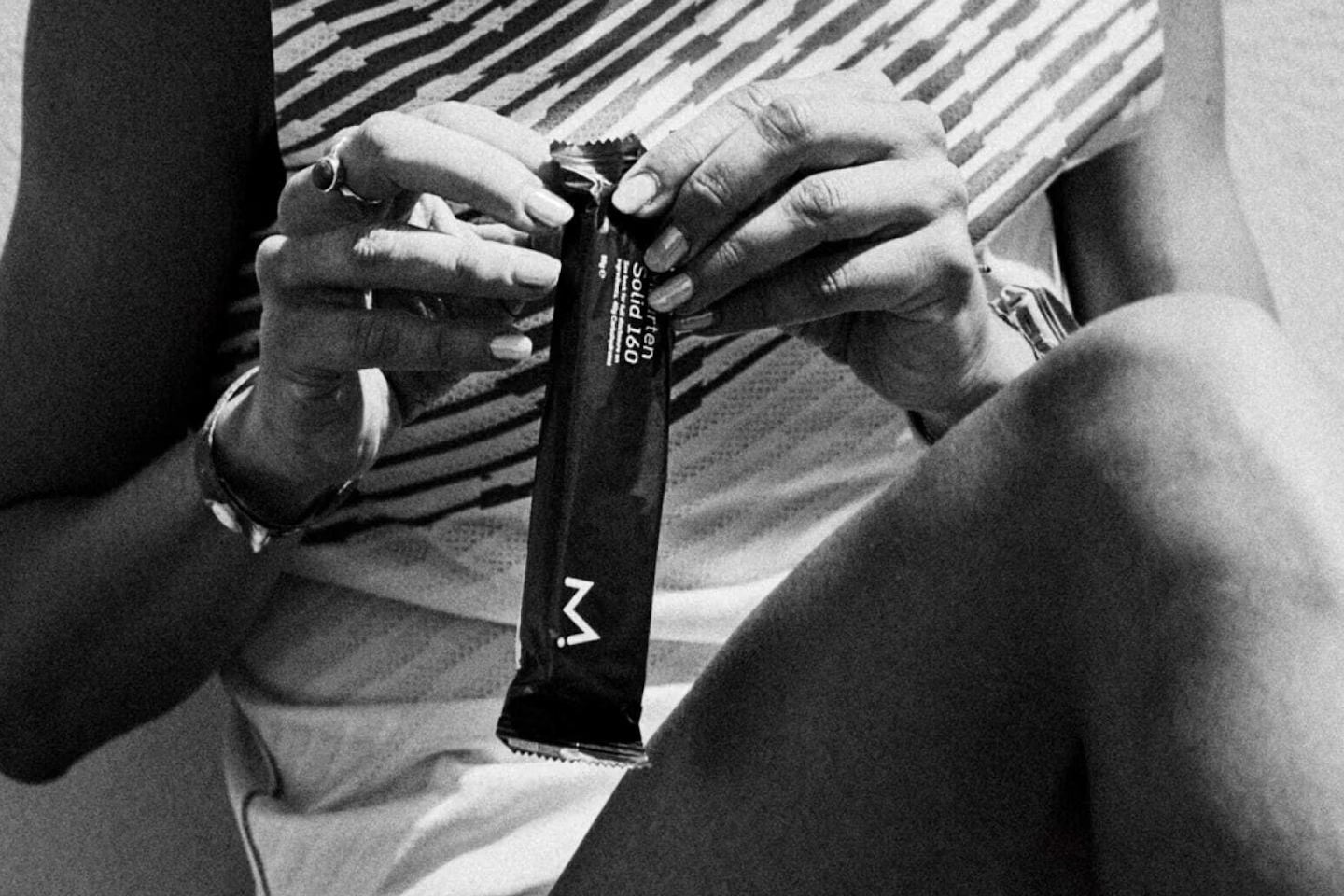
For longer and harder runs, I need to fuel during the run. Here I turn to gels, which go down quickly, avoiding the need to chew and disrupt my breathing. For me, those are the Science in Sport (SIS) isotonic gels. They’re not dirt cheap, but they are cheaper than other options out there.
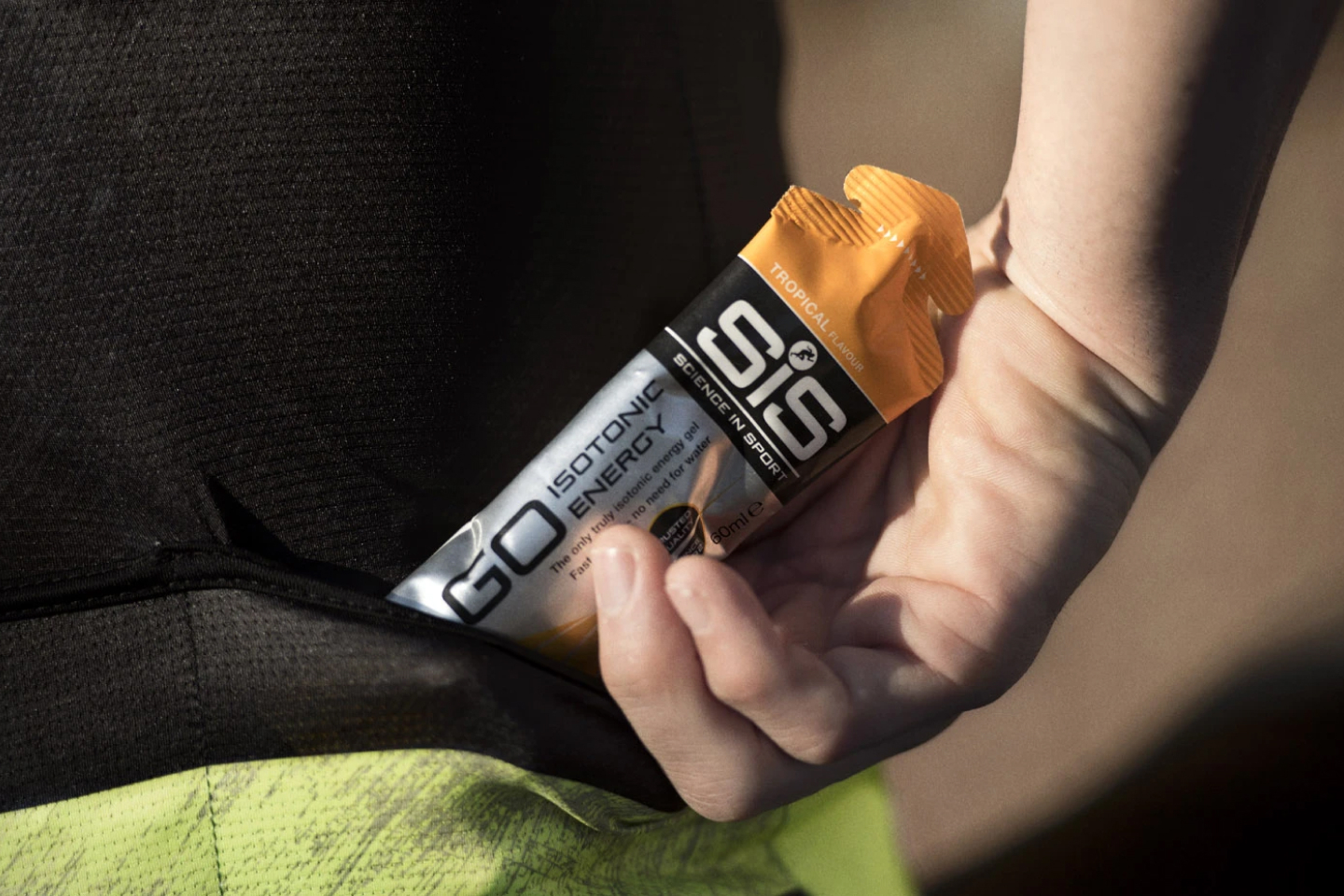
To make them more affordable, I wait for a sale from The Feed, which is the distributor here in the US. Then I buy a bunch. They don’t expire for more than a year, so a box or two can last months.
Hydration
After fuel, next comes hydration to replenish water and electrolytes (often with some carbs mixed in as well). I’ve tried a lot of fancy electrolytes and sports drinks. They claim to have the right combination of salts and sugars with unique flavors.
Then I noticed that the two major marathons I’ve run in the last two years — New York and Chicago — both serve the slightly more expensive form of Gatorade called Gatorade Endurance Formula.
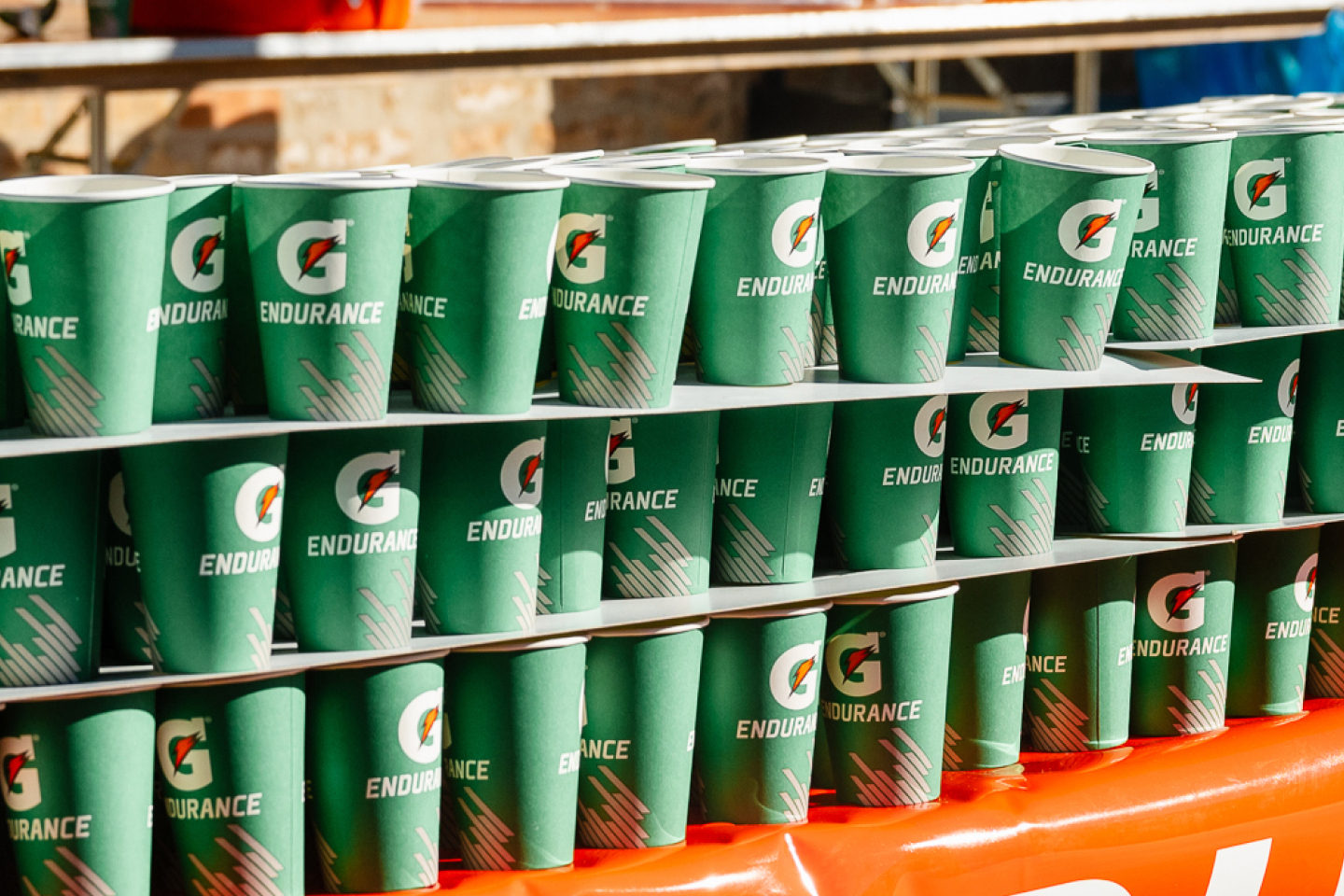
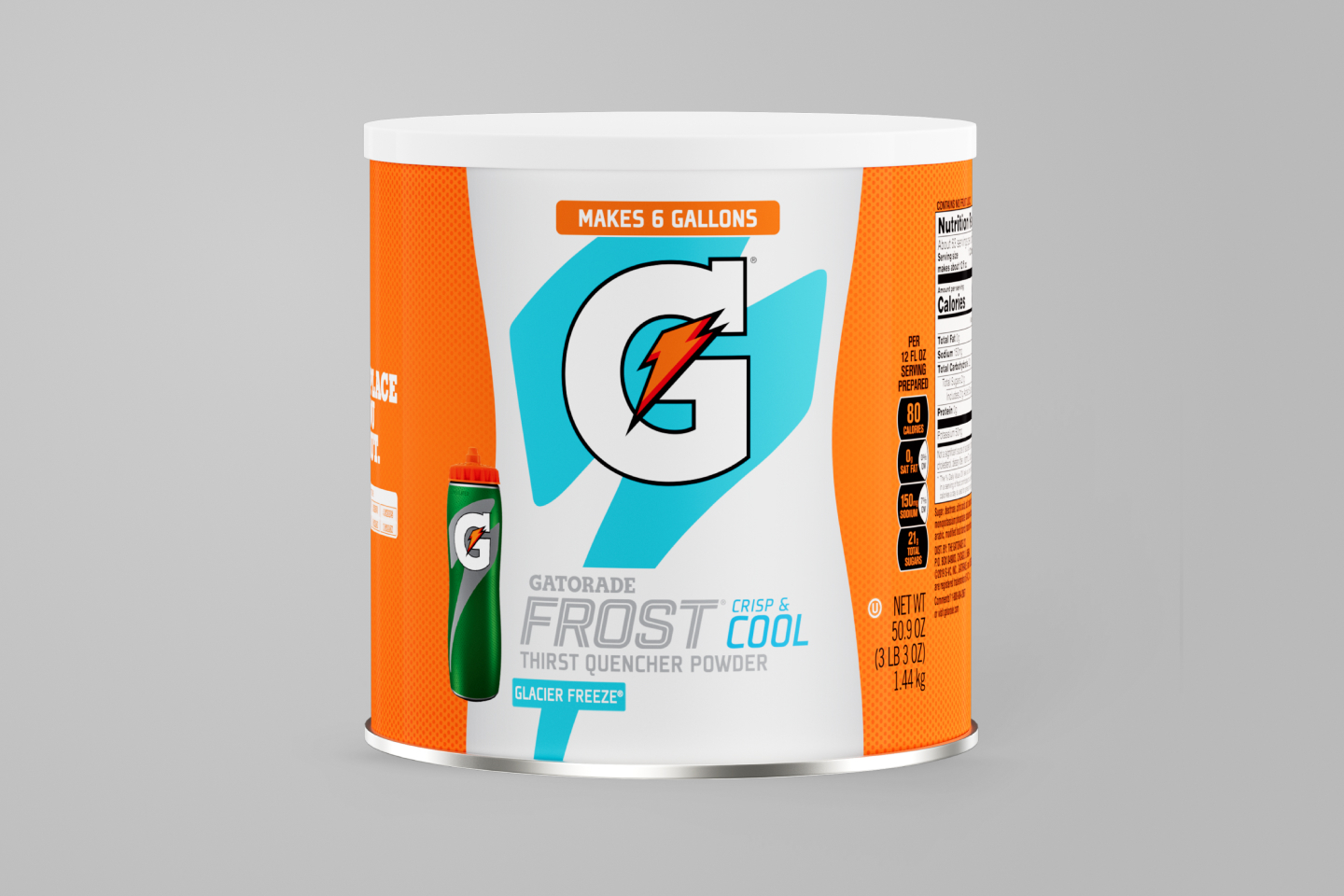
Since that observation, I have been mixing regular Gatorade powder from the grocery store with water to fill my hand bottle. Lo and behold, I haven’t seen any reduction in performance and didn’t feel different.
A big canister of Gatorade powder works out to about 84 grams of carbs per dollar, while a 3-pound bag of Skratch Labs works out to about 20 grams per dollar. The Gatorade is roughly four times cheaper per gram of carbs. To be fair, Skratch has more sodium, 400 milligrams per serving versus 150 for the Gatorade. Practically, that means I may have to fill my bottle a bit more often to maintain electrolyte levels. I do so at water fountains using single-serve sticks I store in one of the numerous pockets in my shorts.
Some people go even farther and buy sugars, salts, etc. in bulk to make their own sports drinks and gels. This route is even more cost-effective, but for me, too time-consuming.
Non-consumables
Clothing
Next are the non-consumables like clothing. In recent years, running clothes have started to overlap with the world of fashion and trends. That means costs are not purely about the function or materials. Desirability plays a huge part, giving me the opportunity to score deals.
To save, I look for the official racing singlets from races of years past, which can often be found for as little as a fifth of the price when new. I love racing singlets for how lightweight, breathable, and comfortable they are. I wear them nearly year round here in Northern California. As it gets colder, I add arm sleeves, gloves, a long-sleeve shirt, and then a jacket, and finally swap out my shorts for a pair of tights or pants.
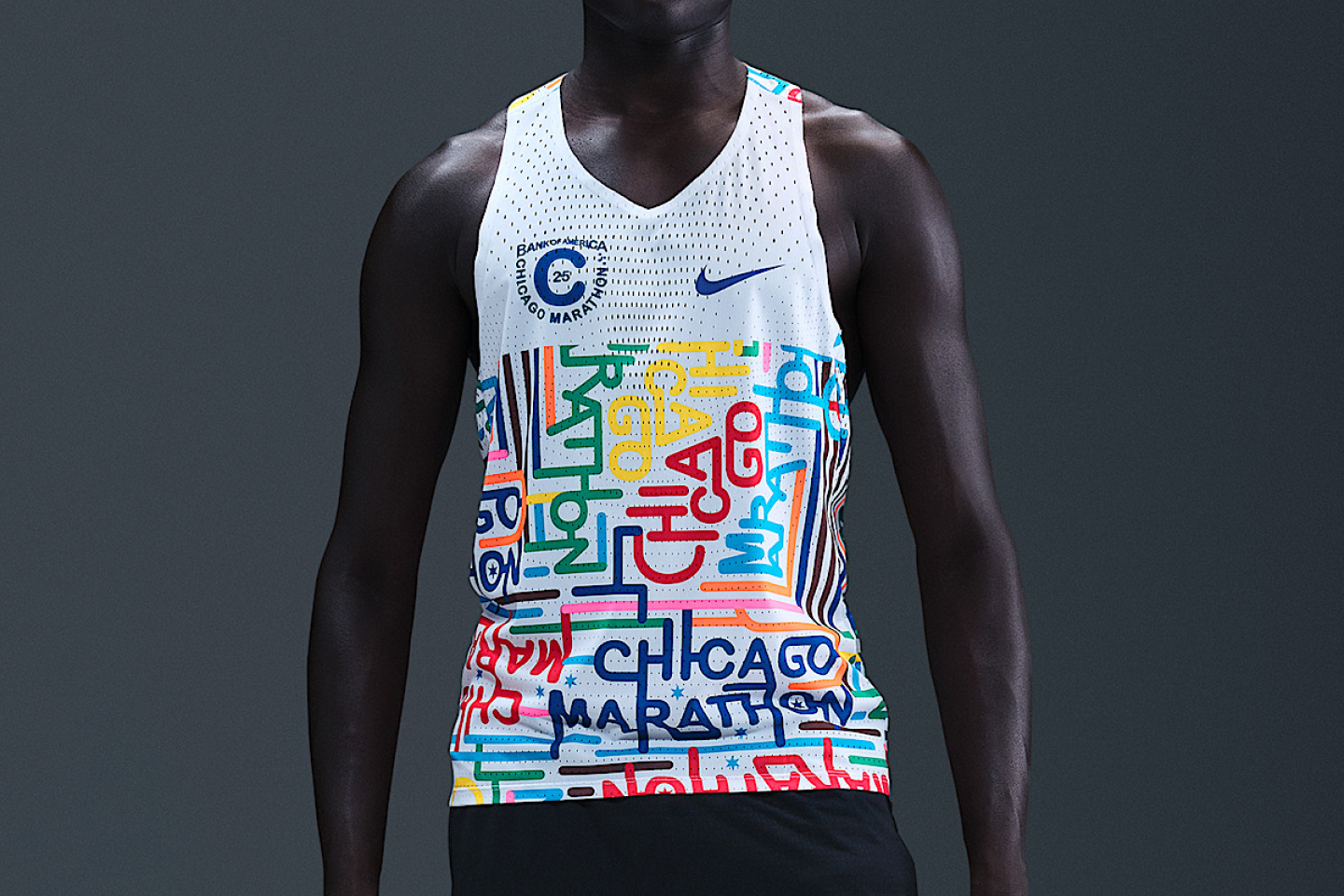
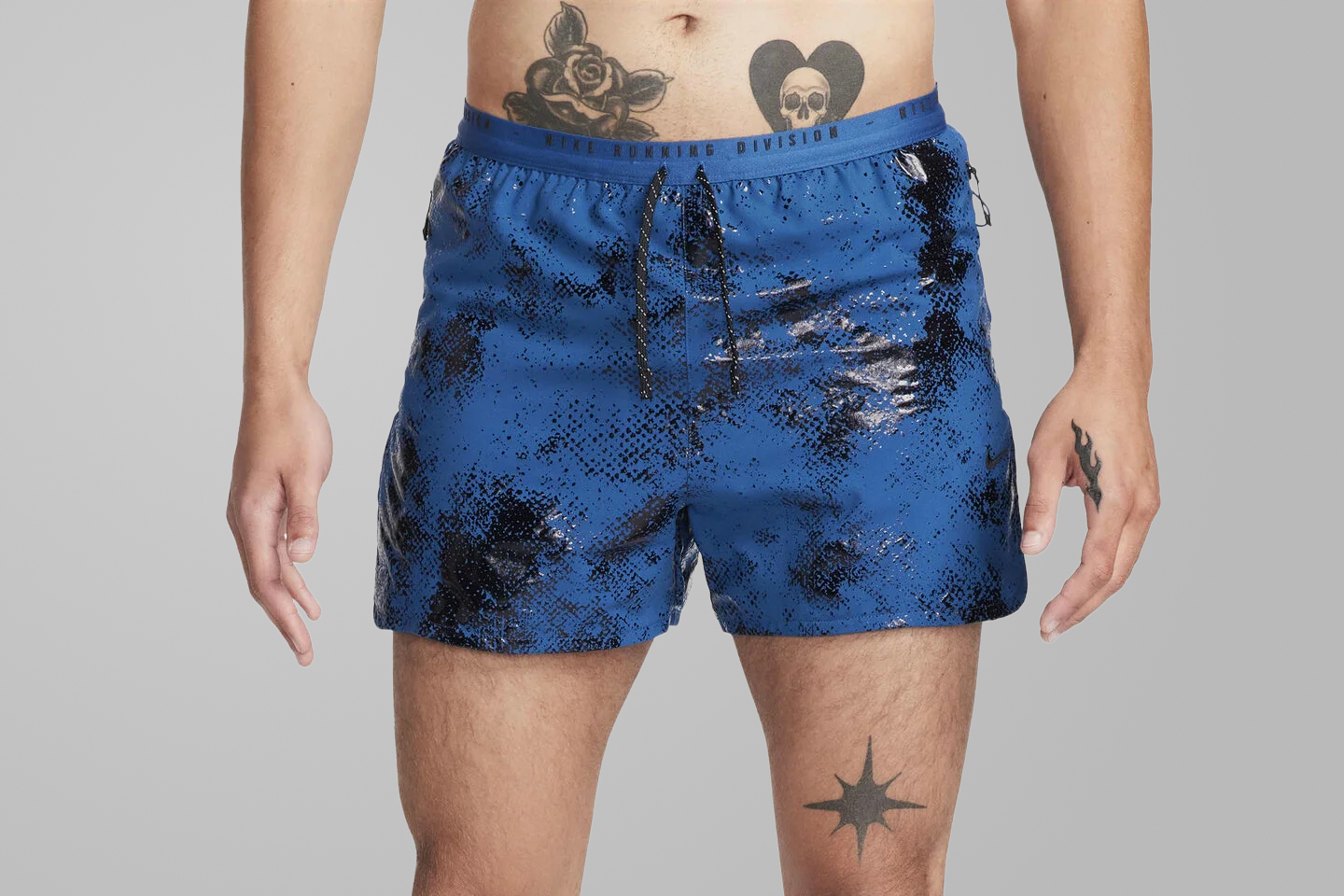
As for shorts, I most care for storing gels in addition to comfort. In a marathon, I use seven or more gels, so I wear shorts with enough gel slots near my hips (to save moving mass). I look for just-retired styles on clearance just like with singlets.
Shoes
One of the biggest topics in running for the last 15 years has been shoes. Ever since Nike brought out the Vaporfly carbon-plated shoe, there has been an ever-growing arms race between shoe brands to build ever more efficient running shoes.
The problem is these shoes are not getting any cheaper. A good pair of racing shoes will cost anywhere between $250 and $500. Plus, they’re also not very durable, lasting far fewer miles than a normal everyday runner.
To save money, I first make sure to only use them when I really need them — workouts at race pace, or intervals. I’ve even noticed through Strava that some pros will switch shoes during a workout. For example, in a 20-mile workout where they have a 5-mile warm-up, 10 miles of work, and then another 5-mile cooldown, they’ll wear their racing shoes only for that middle 10 fast miles. Additionally, some people also say there are risks associated with running too much in carbon-plated shoes. So money may not be the only important factor.
Like clothing, I look for older styles. Most shoe companies are all releasing a new version of their racing shoes every year. I can often find carbon-plated shoes on massive discount between the spring and late fall racing seasons or for even cheaper right before a new model arrives.
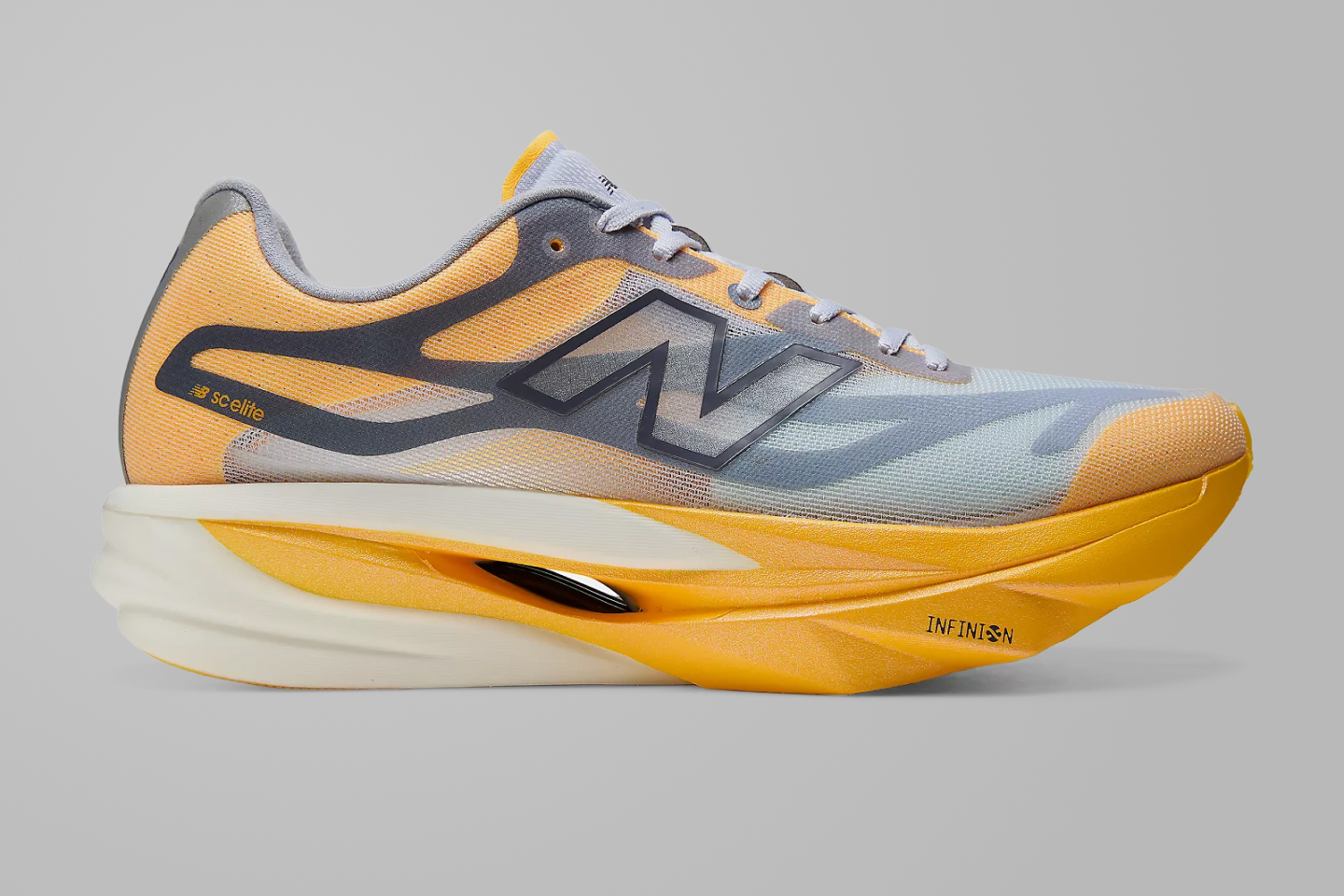
I’m a loyal New Balance fan because they release every single one of their running shoes with a wide version that accommodates my feet. I’ve found that their $250 elite shoes often show up for $150 on their website. And, I’ve seen people finding even more popular shoes, like the Nike Vaporfly or Alphafly series at clearance stores like TJ Maxx or Ross for even cheaper.
Watches
Even though I have an Apple Watch, I prefer to track my running with a dedicated running watch. When I first got into running 15 years ago, the GPS watch market was constantly changing. GPS units were constantly getting smaller and more accurate. Fortunately, the market has matured in the last few years, with each new model offering little incremental value.
Modern GPS watches have incredible battery life. They lock on to GPS satellites very quickly, they can last really long, and they have a lot of great functions right out of the box.
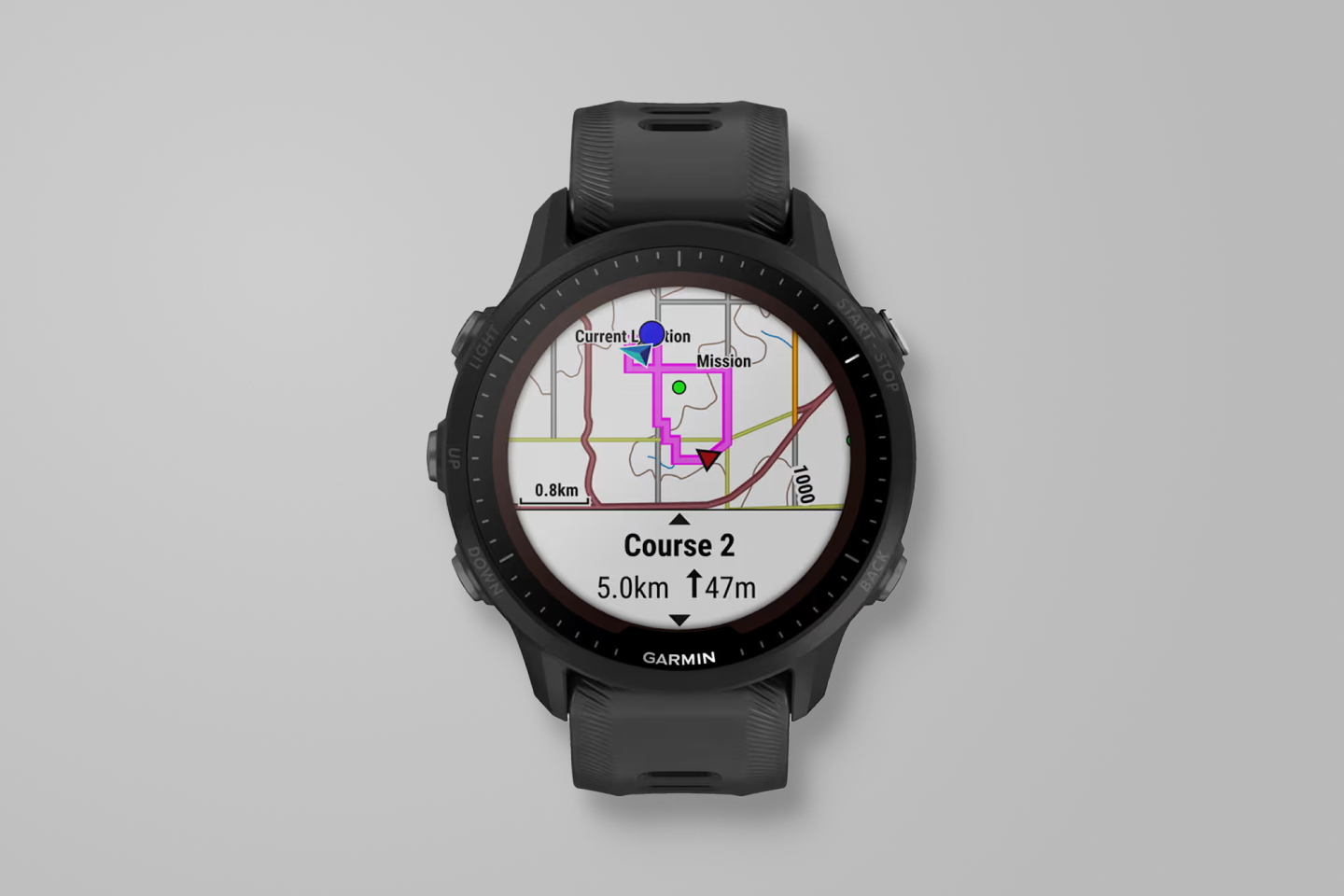
So what I’ve done is buy GPS watches that are a few models older, and keep them for a very long time. The current one I have is the Garmin Forerunner 955, which is two models old (originally released in 2022). I chose that one specifically because it has solar and an LCD screen. The battery life is really good, and if I ever forget my charger, I can eke out a little bit of charge by putting it by a window. I bought mine brand new on eBay from someone who had an old unit replaced under warranty. It cost $360 while the 970 costs $750 new.
Races
Of course, there are some unavoidable costs, like race fees. These fees cover everything from the physical things you receive, like a race day T-shirt and a medal, to all of the logistics. Those are expensive, often unavoidable expenses.
If you’re trying to chase the Marathon Major stars, there’s not really a cheap way to do that. Even if you qualify for all these races, you still need to pay the race entry unless you are an elite. On top of that, you’ll have to pay for all the expenses associated with traveling internationally.
 Me at 2025 New York Marathon
There are many cost-effective options if you aren’t tied to the famous races.
Three years ago, I ran the half marathon at Taoyuan, Taiwan. This is the city that houses the airport serving nearby Taipei. It was their first time hosting the race, and the entry fee was incredibly cheap. I, a foreigner, paid $40, and saw it was even cheaper for locals. The fee included a duffel bag, a race commemorative singlet, a hat, and several other goodies. That’s a lot more than one could expect from the Marathon Majors!
 Me at 2023 Taoyuan Half
Marathon
The downside is that in this half marathon there were not as many aid stations as you would expect in a bigger race. Fortunately, that was no problem for me as I was carrying a hand water bottle and taking sips of water at the few aid stations that they did have.
What I loved about this race was that it was really simple to get into — no long security lines. Yet, it felt really grand, with speeches from the mayor, local businesspeople and dignitaries that flew in from Japan.
They even invited some elite marathoners from Africa so that they would have a really fast course time. So it had all of the constituent elements of a big race, just at a much smaller size, and it was still so much fun.
I don’t plan to always be chasing the gigantic productions like the Marathon Majors, where the race entry, the flights, the hotel, and everything combined are going to sum to thousands of dollars. These smaller races, especially when local, will cost $100 or even less.
A cheaper way to run
Running doesn’t have to be an expensive sport. I hope that these ideas help you find a more affordable way to enjoy the part of running that ultimately matters most, the time we get to spend out on earth, doing an activity our species has enjoyed for millennia.
Thanks to Q for reading drafts of this.