
Design Ah! books
6 min read Jul 11, 2026
In this ongoing series, I share some of my favorite books from my personal library.
Books in my library
Years ago, on our first trip to Japan, we stumbled upon an educational show focused on design while flipping channels on the TV. “Design Ah!” is an award-winning show. In fact, it won the 2012 Good Design Award, beating out the normal winners like products, architecture, and services.
It’s the work of some of the best designers and musicians in Japan, and has been airing on the NHK Educational Channel for more than a decade. When we came home, we kept watching the show, given that it is interesting to both the children and the adults.
And when I found out that there are books based on the show, I couldn’t help but buy them. The interesting question is what happens when a program that’s built on motion, time, and sound gets transformed into a silent, static book?
Miruhon (Looking book)
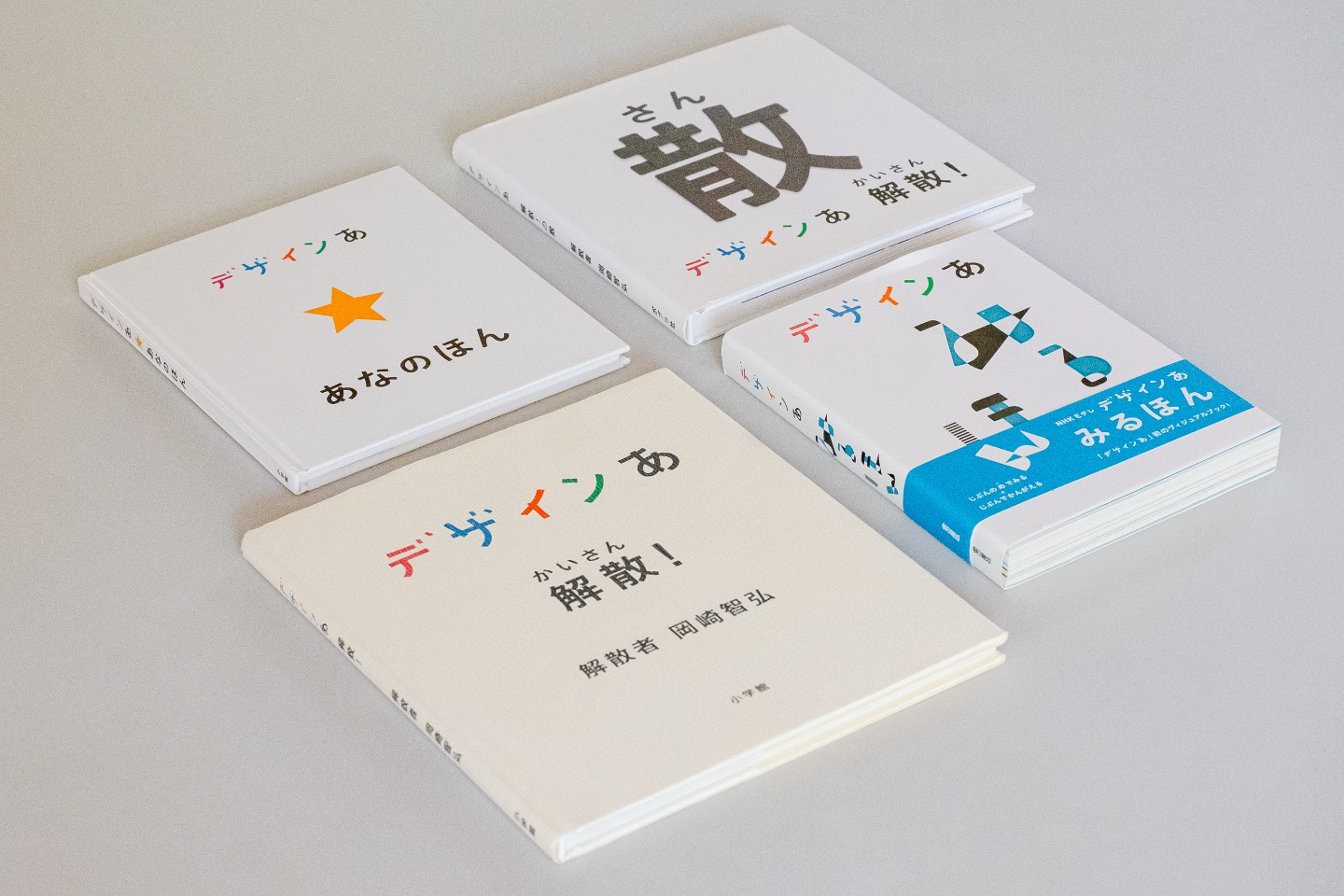
The first of the books is called “The Looking Book”. It’s A5 sized and about four centimeters thick. The dust jacket is glossy and smooth to touch, and taking it off reveals exposed binding that shows the colors of the pages within. There’s even a subtle touch: the letter “あ” is printed across the many pages, so it looks as if it was stamped afterwards. The pages within are as rough as newsprint, but much thicker, without the transparency of a newspaper. The book recomposes and redesigns footage from the show into a visual book.
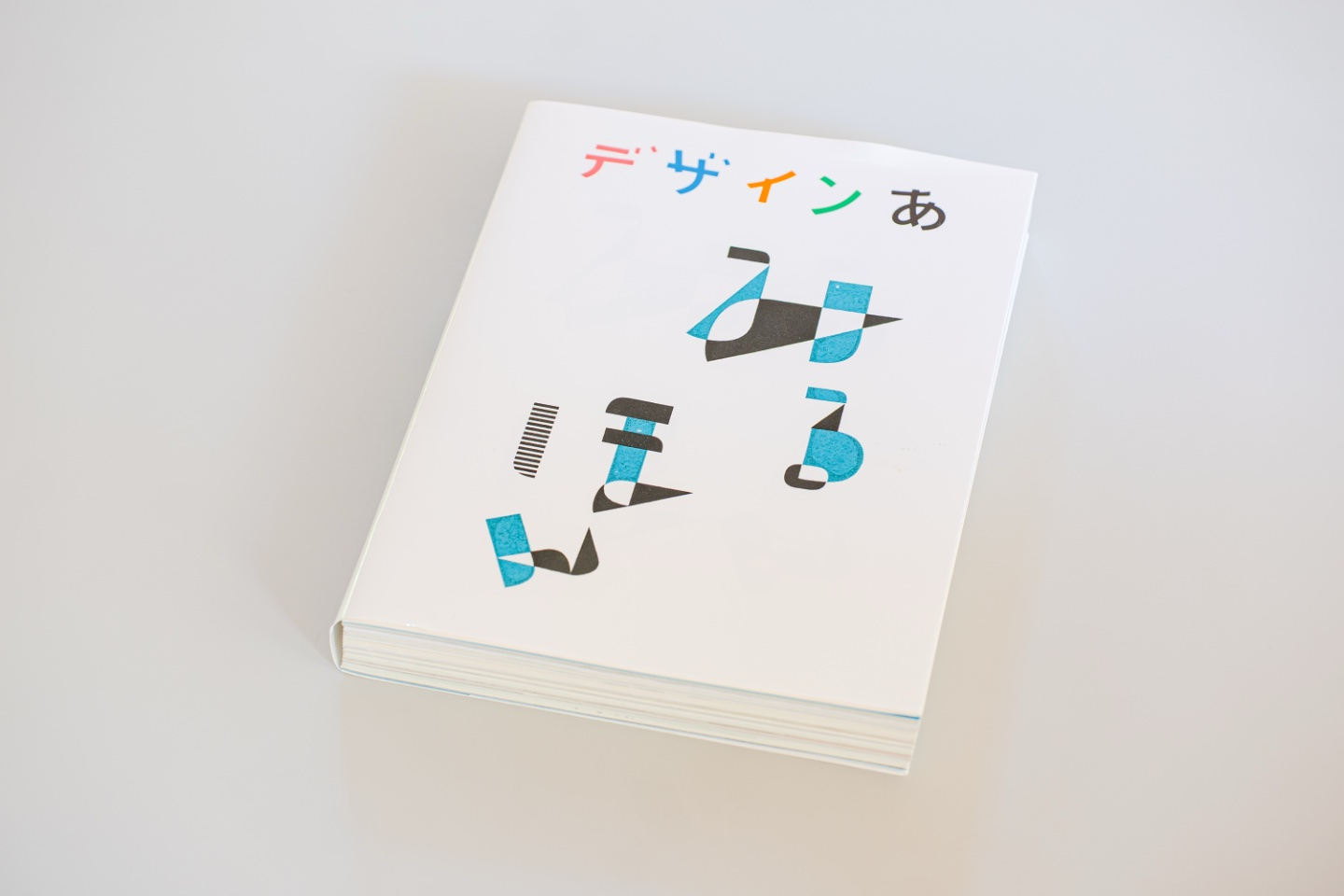
So if you didn’t know that the TV show “Design Ah!” even existed, the book would still be an interesting artifact. That’s all due to how striking the visuals on the show are, whether they are photographs, illustrations, or stop-motion video. The aim of this book is to lead children to their own discoveries through looking, and with very minimal printed words.
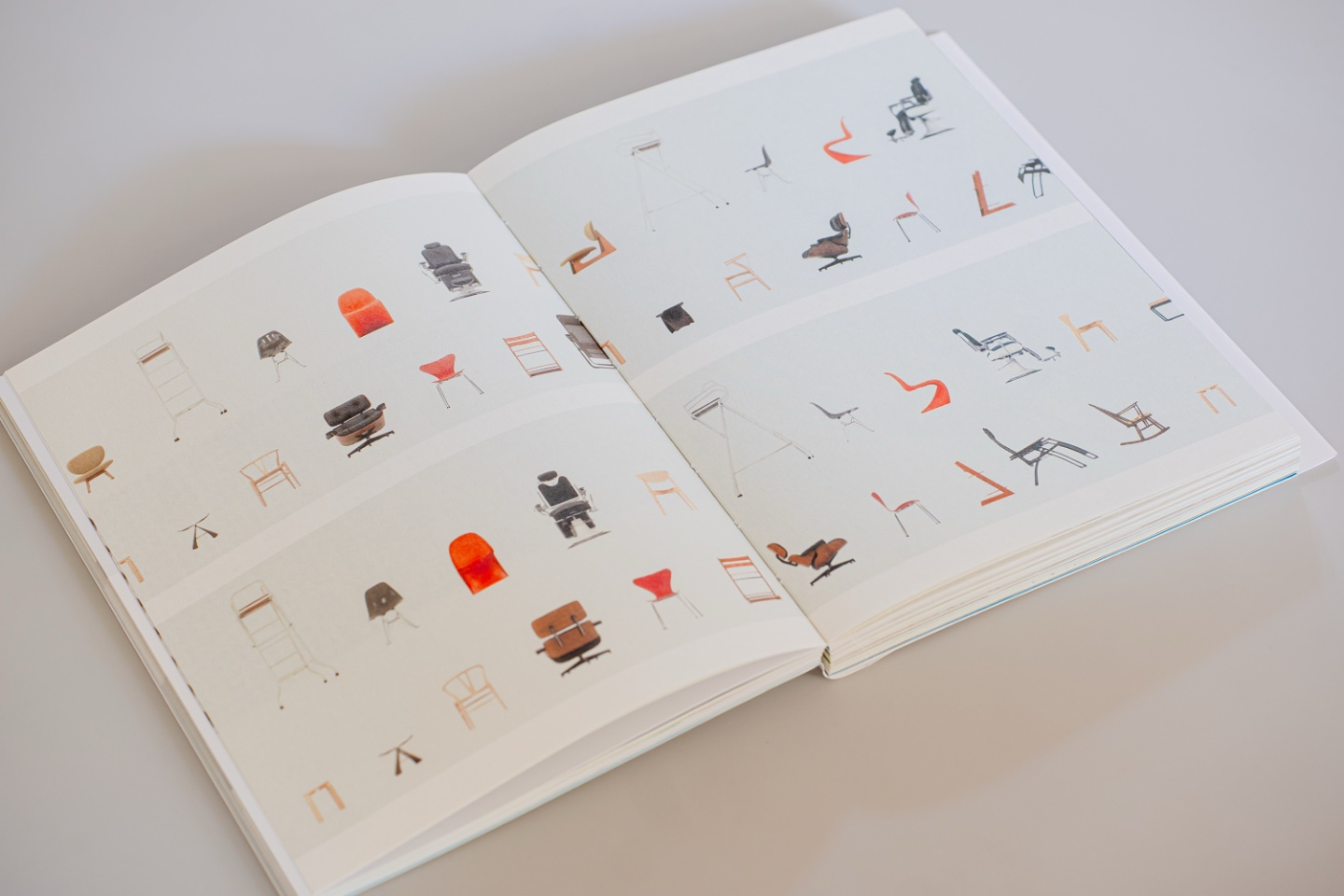
This book actually has a sibling called “The Drawing Book” that we also have, though that one is more of an activity or workbook with pages to draw and write on. Of the many books, this one is the widest in its subject matter, covering all the different segments within “Design Ah!”
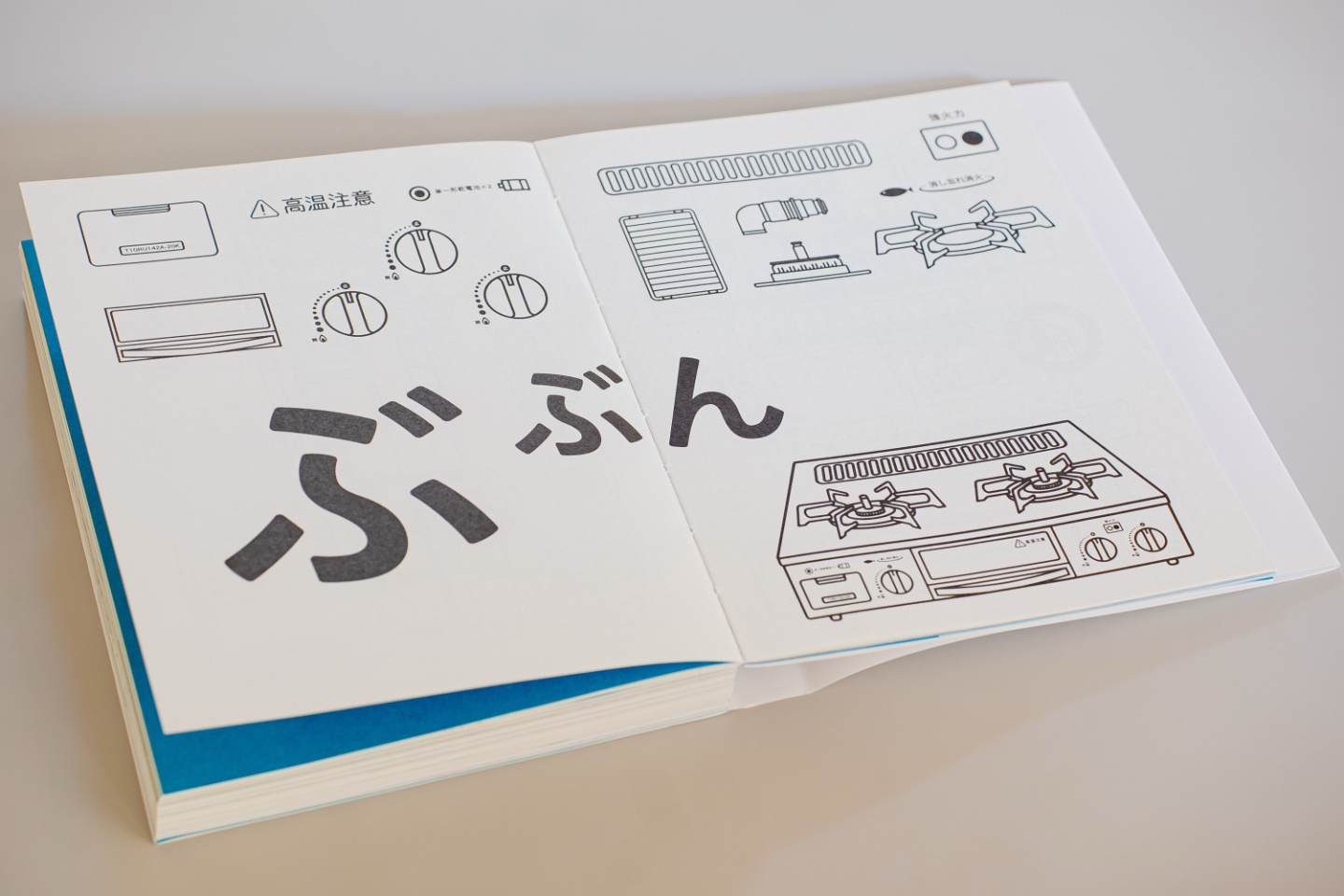
This makes it the perfect book to keep on my desk or in a bedside table to flip through when I’m bored or looking for inspiration.
Ana no hon (Hole book)
The second book is called “The Hole Book”. It’s a bit bigger than A5, and only about one centimeter thick. This one’s hardcover with a smooth, glossy exterior. The pages inside are a lot thicker, with a satin sheen that gives the images far more vibrance than the previous book.
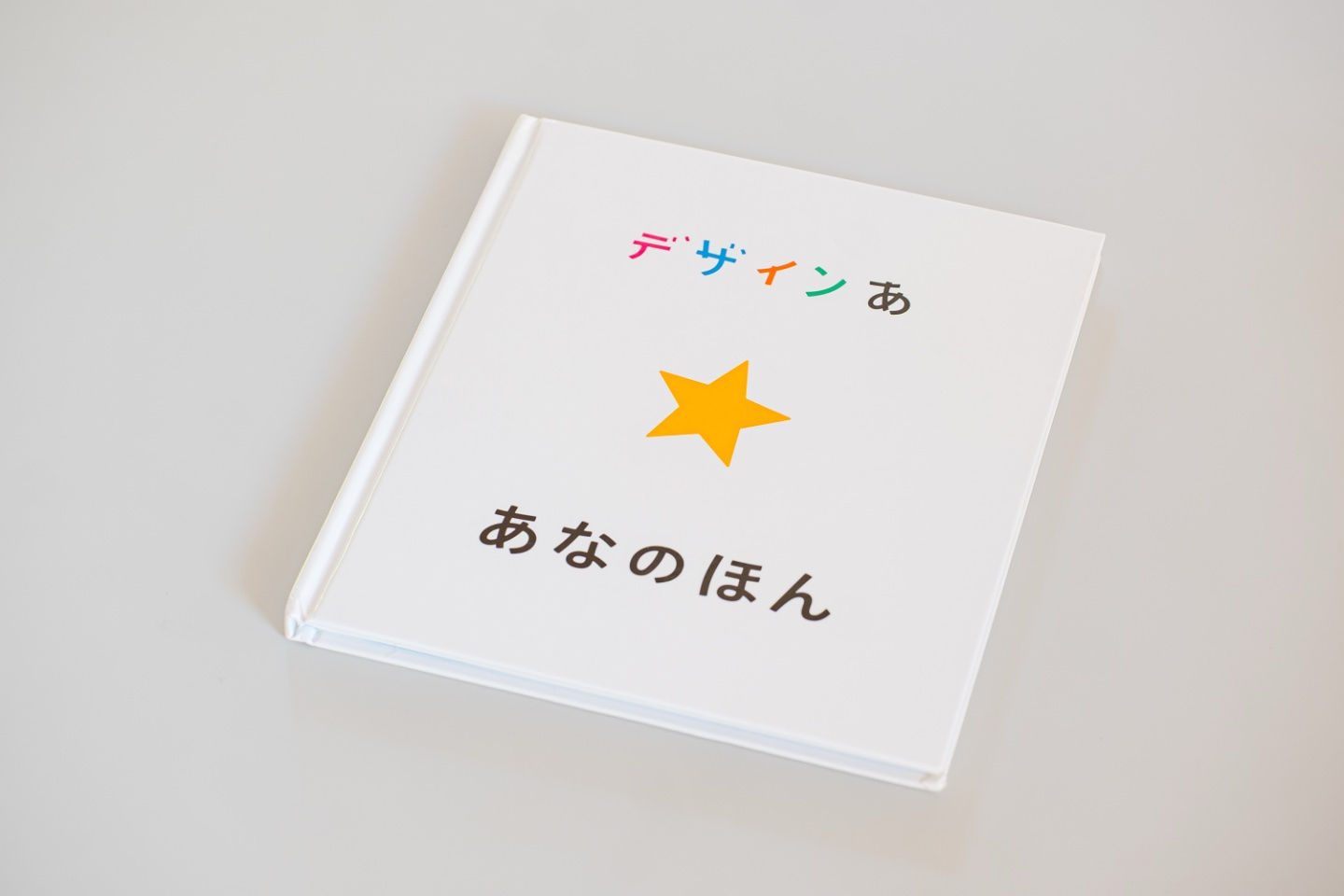
The theme here is holes, a segment from the Design Ah! series. They follow a sequence, first showing a black hole, asking viewers and readers to guess what the hole corresponds to. And then on the next page, the answer is revealed.
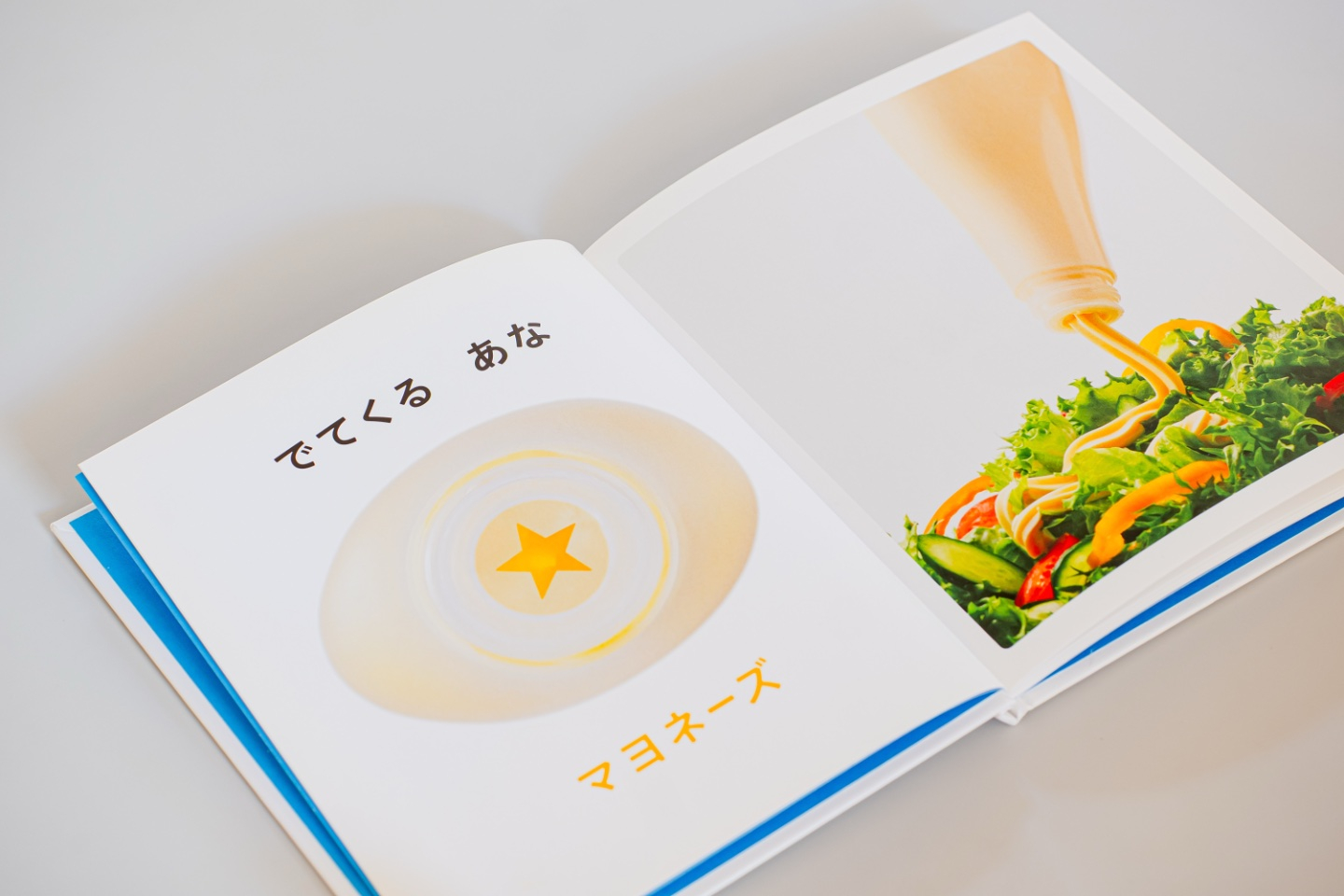
Some are a little bit easier, like the f-holes of a violin, whereas some, like the hole in a bottle opener, might be a little bit more tricky. This book is almost a little game that could be played together. In fact, it’s actually used in real classrooms in Japan.
Kaisan! No chi
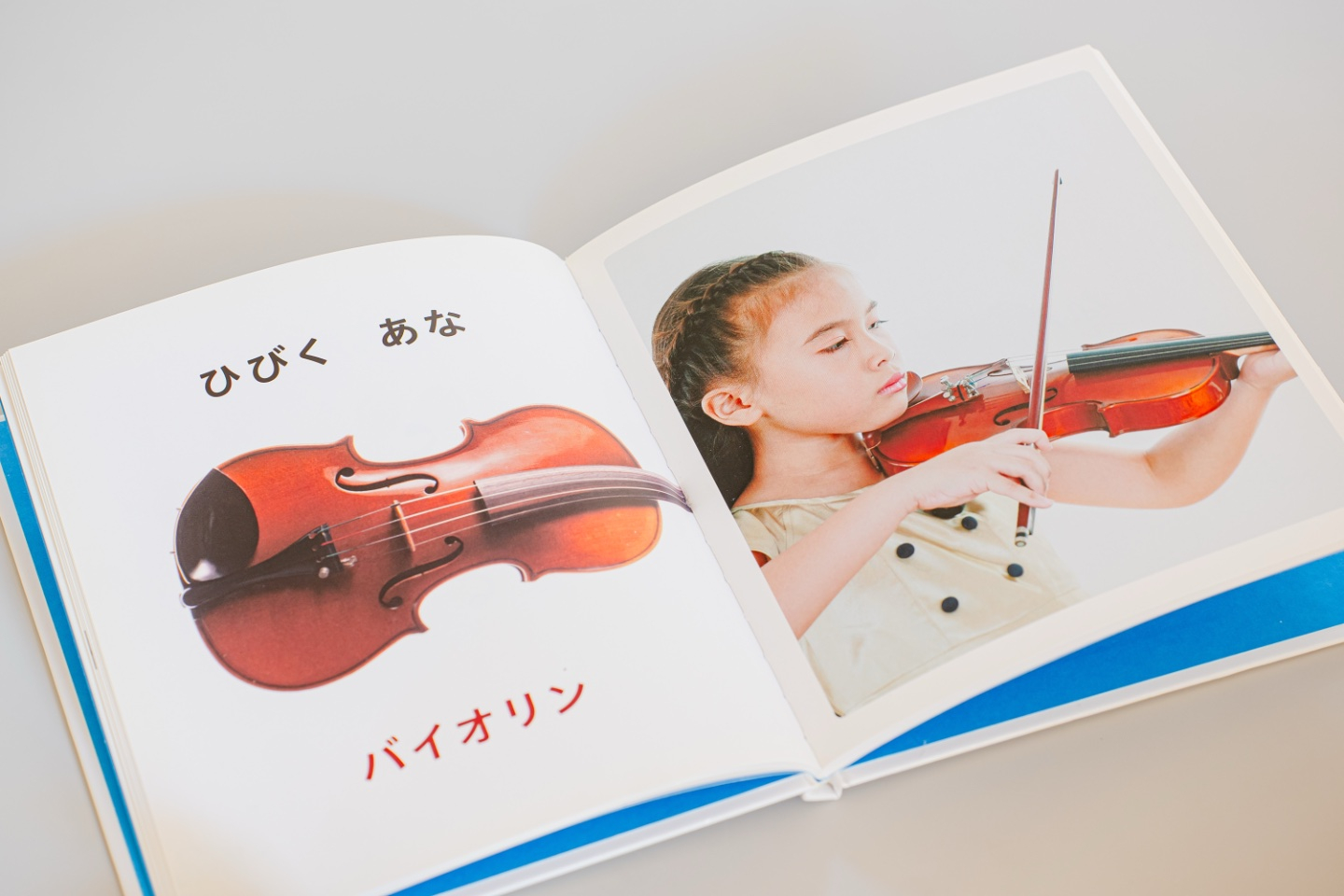
This third book is a bit bigger and thicker than the last one, again with a hard glossy cover and a slipcase on it featuring the kanji meaning to scatter or disperse. Removing the slipcover reveals the character taken apart and decomposed into its constituent strokes.
 This book features the segments from the TV show where common
household items like a block of styrofoam, fruits, or brushes are taken apart
piece by piece in a stop-motion animation. The final photo shows the object in
all of the constituent pieces, knolled very neatly.
This book features the segments from the TV show where common
household items like a block of styrofoam, fruits, or brushes are taken apart
piece by piece in a stop-motion animation. The final photo shows the object in
all of the constituent pieces, knolled very neatly.
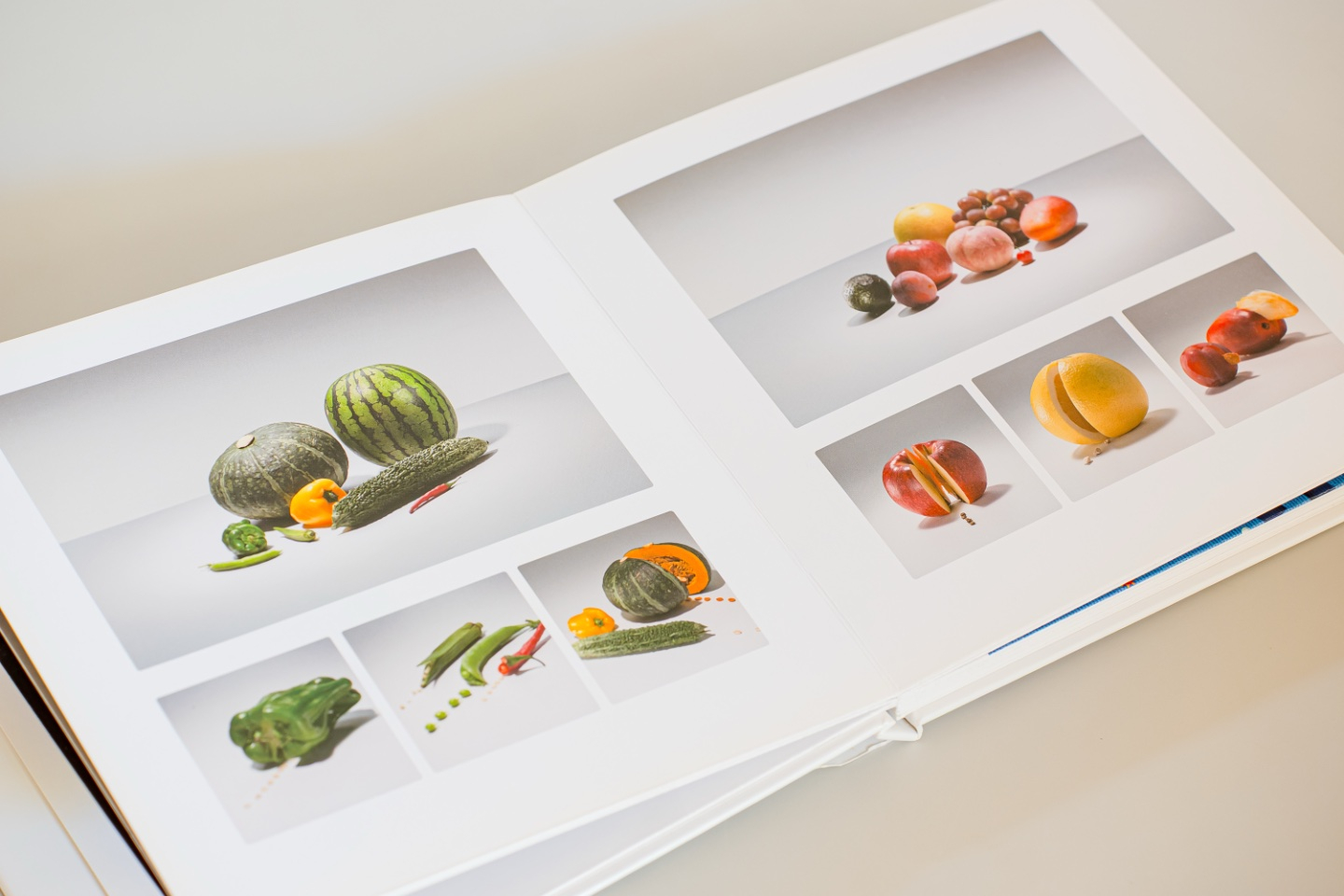
In the book, each page spread starts with the starting object on the left, and then, on the right, snaps from the stop-motion animation when they’re being taken apart. Then pulling down from the top reveals a fold-out of the entire knolled piece.
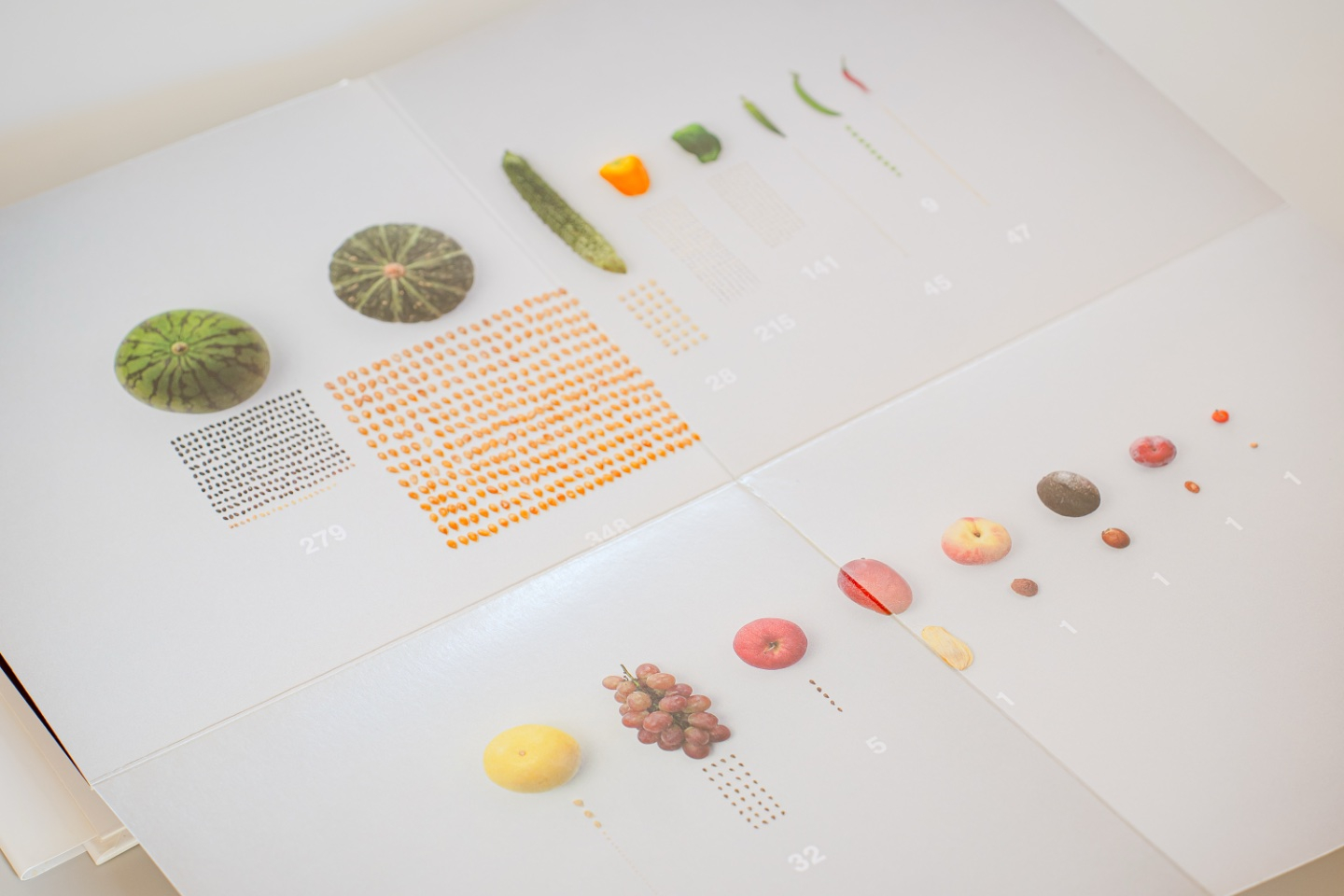
I’d be curious how interesting this is to someone who hasn’t seen the show, because having seen the show, these photos are endlessly interesting to me. I understand exactly what’s happening, and seeing them here in the flesh without the factor of time, I can spend as much as I want viewing every single detail and understanding how something as complex as a wall scroll is put together.
Kaisan!
The last of the books is the original of the “Disassembly” books. It was published five years before the previous one. Though a bit thinner, it is bigger in the other two dimensions. The rough cloth-like cover wraps the smooth hard cover inside, which again is emblazoned with a decomposition of what is on the dust jacket.
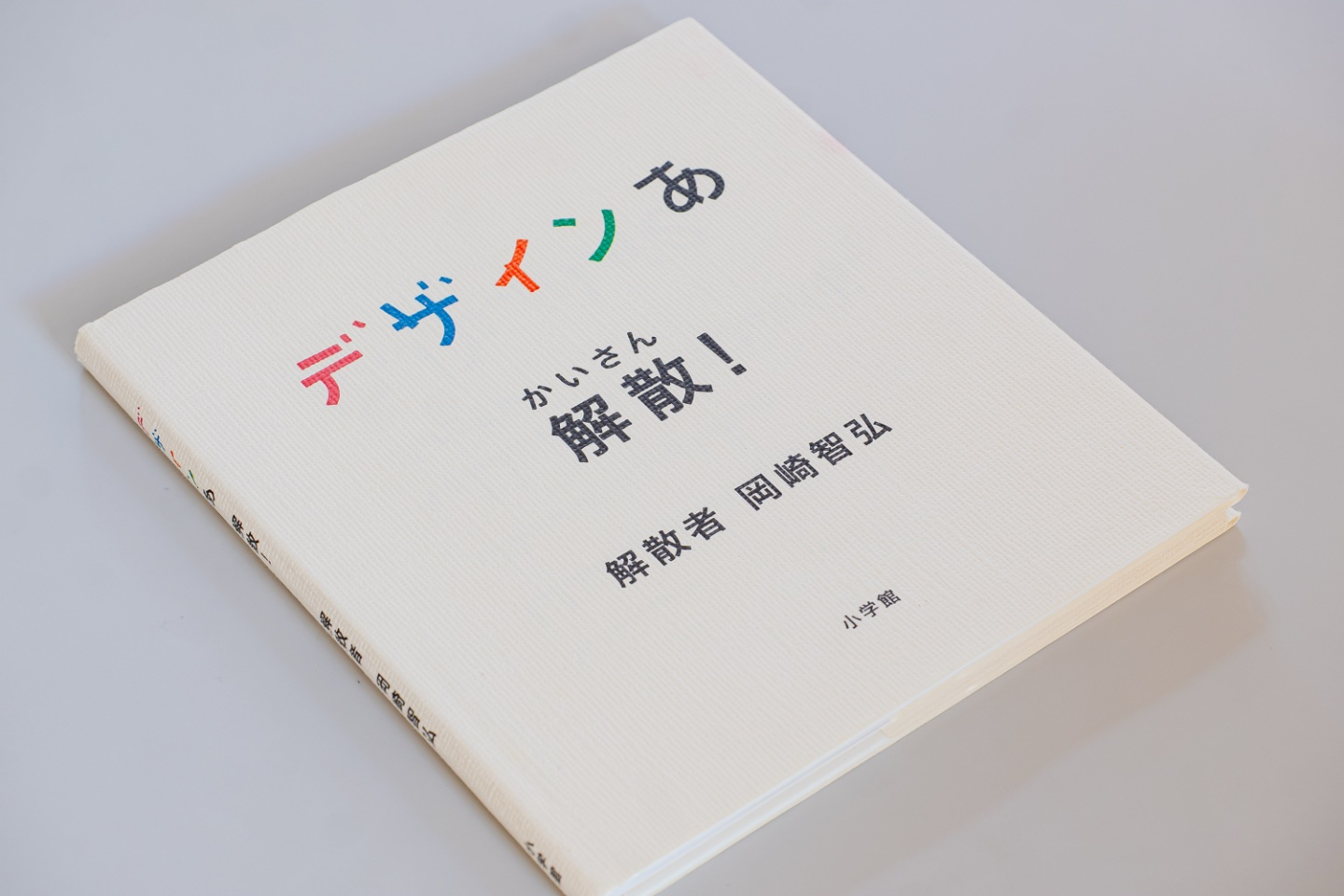
Though the pages and their format aren’t as inventive as the previous one with its ingenious fold-out mechanism, this book is still quite interesting. It is, of course, related to the disassembly and decomposition segments from “Design Ah!,” and it features a different set of items.
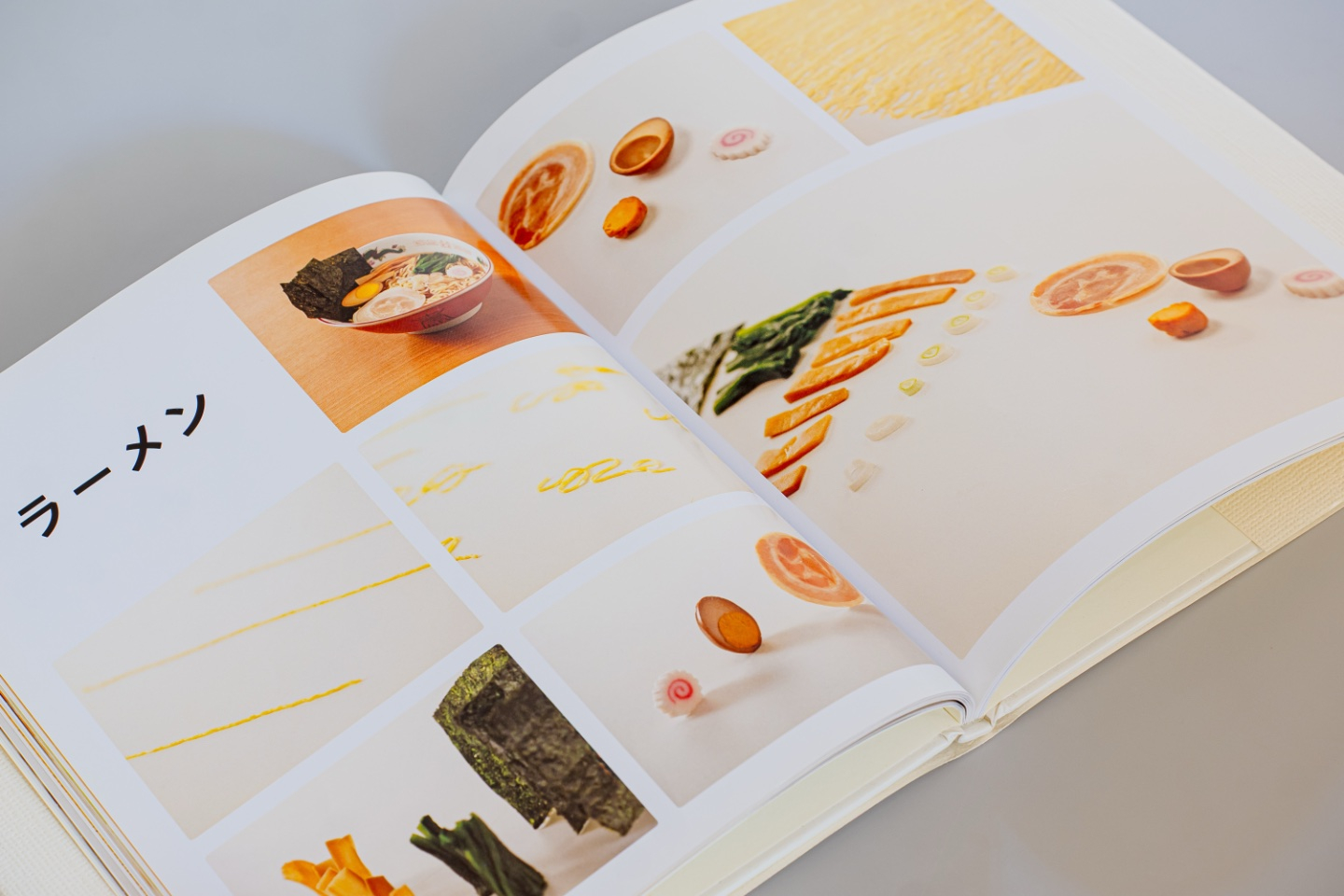
So owning both books does have some value. The format is a little bit different. The first page shows the object. The next page or two shows snapshots from the stop-motion animation.
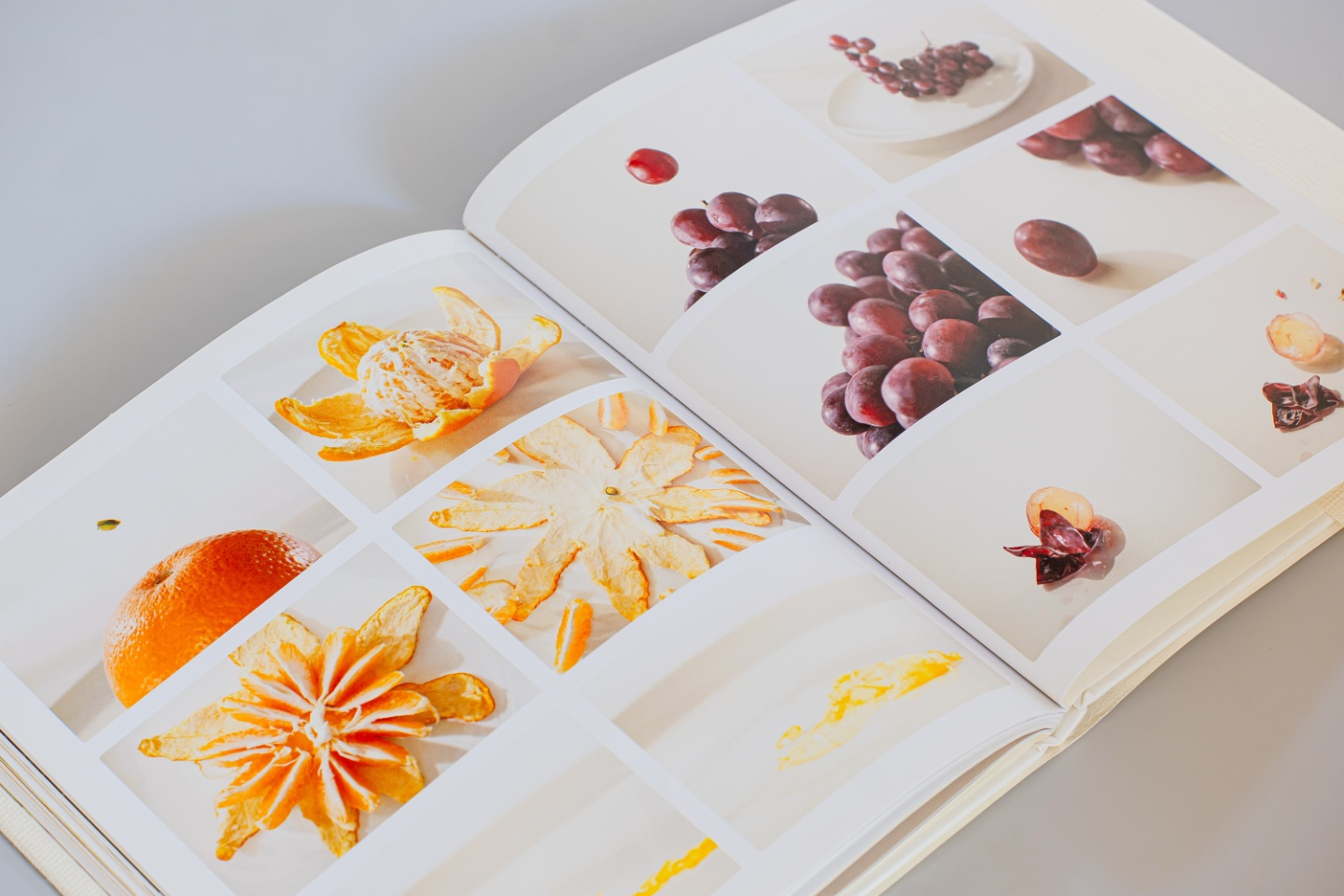
And then finally, you see a one- or two-page spread of the pieces all knolled. Given that there are far more images, this book is easier to follow, and I’d guess that someone who hasn’t seen the TV show would absolutely love this.
Movement standing still
Having owned and read these books, I have to say that they’re quite effective at communicating the ideas behind design, even though they lack the motion, the use of time, and music that the show is so well known for. One thing that these books are able to do that the TV show is not able to is self-pacing.
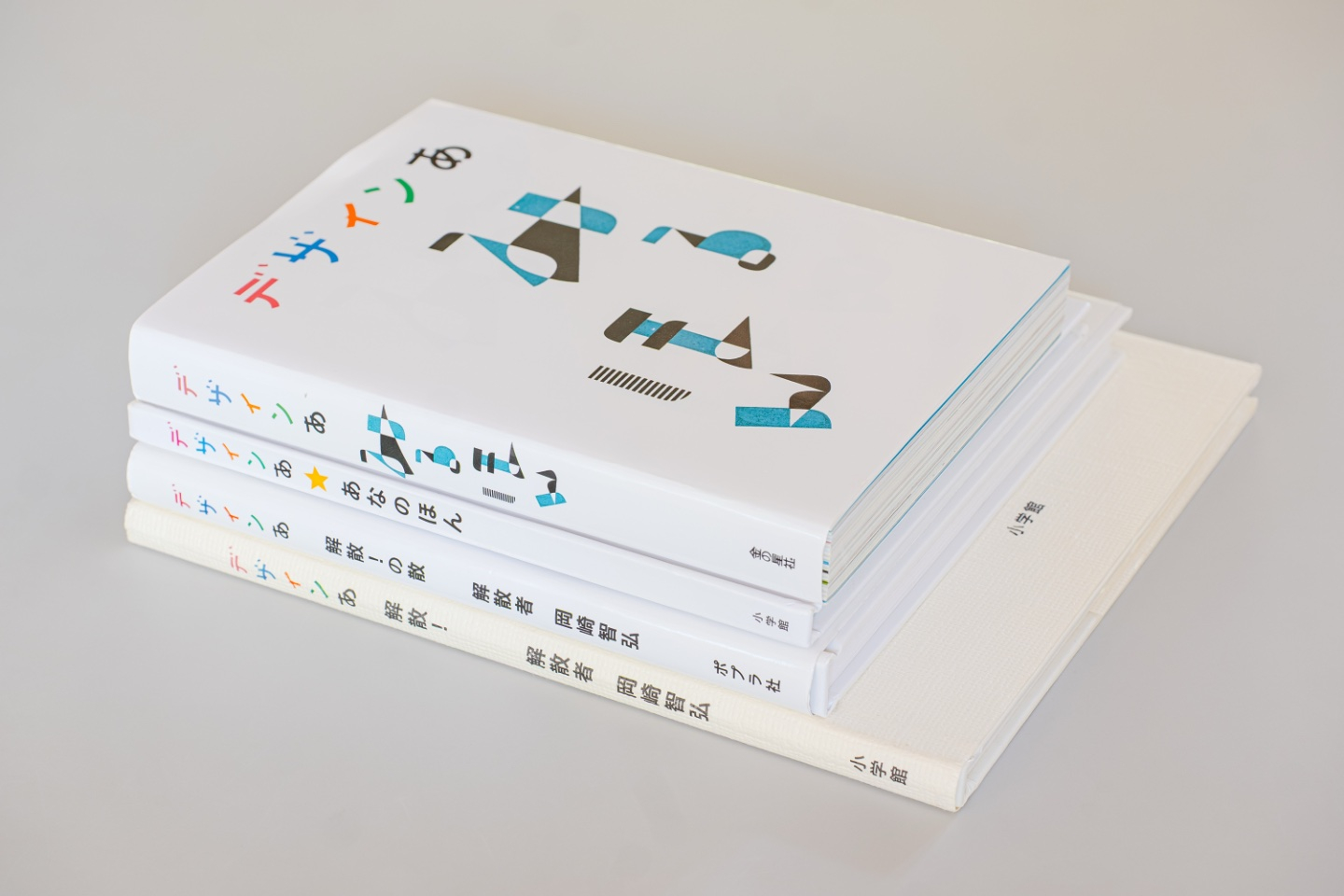
I find myself flipping through certain parts, but spending minutes on certain pages. And watching my kids look through these books, they do the same. And just like the show, even though these are children’s books, there’s nothing childlike about them. They’re attractive to all ages.
Nothing feels dumbed down. Sure, there are not that many words, but the point of the show is to communicate the ideas behind design without words. Furthermore, I think the fact that these books are physical artifacts that one could carry around their home could lead to mimicking some of the ideas, perhaps taking apart something in the house, arranging them, finding the hidden order among them.
While the show entertains through the senses, these books might actually encourage their readers to try a little bit of design on their own.
Thanks to Q for reading drafts of this.